

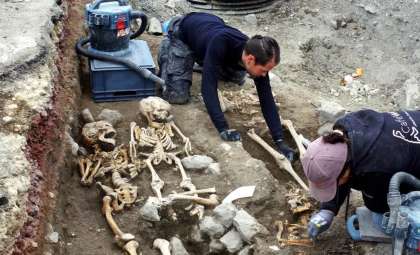
In Poland, a burial site suspected to be a "vampire cemetery" holds over 100 human graves, with more than 30 graves showing signs that the deceased were physically restrained to prevent them from rising. Located near Pień, close to Ostromecko, this unmarked cemetery has been under archaeological study since 2005. Findings include a young woman whose neck was crossed by an iron sickle and a triangular padlock attached to her toe, and a child buried face down with a similar lock near their feet. These graves date back to the 1600s, a time when fears of revenants—dead individuals believed to return among the living—influenced burial customs.
The phrase "vampire burial" doesn’t refer to the mythical bloodsuckers of folklore but instead highlights burial rituals designed to prevent undead return. These precautions physically restrained those believed to pose a supernatural threat. Dariusz Poliński, who heads the Pień excavation at Nicolaus Copernicus University, described the practices as "efforts to safeguard the living from the dead" in the university's detailed account of the woman and her facial reconstruction. Implements like locks, blades, and body positioning were deliberate choices to enforce containment.
Locks and Sickles Used as Physical Barriers
The triangular padlocks found in Pień were placed with intentionality, often near the toes or feet, symbolizing a final seal over the deceased’s earthly journey. Poliński noted that a lock beneath a foot represented the end of life on Earth and was meant to impede any supernatural resurrection. This practice appears in multiple graves, including those of an adult woman and a young child, showing a recurring ritual rather than isolated acts. Other burials featuring similar restraints show the widespread nature of this approach during that period. The high number of constrained burials at Pień makes it a significant example of early modern European anti-revenant funerary customs.

The iron sickle placed over the woman’s neck served as a more direct physical deterrent. The curved blade was positioned to potentially injure or incapacitate if she attempted to rise, pressing against the throat. While sickles may culturally symbolize protection or have ritual meaning, their combination with padlocks at Pień points to a clear intent to immobilize the dead. Additional methods of restraint observed at the site include covering bodies with stones, severing heads or limbs, burning remains, and interring bodies face down.
The child buried face down reflects similar beliefs: that such positioning would hinder the dead from escaping their graves. Poliński explained the rationale plainly, saying these individuals were intended to "bite into the earth and not threaten the living." This child’s grave with its triangular padlock exemplifies deliberate burial decisions rather than artifacts shifting over time.
The Vampire Woman’s Grave Shows Status and Fear
Unearthed in 2022, the young woman’s burial contained an iron sickle crossing her neck and a triangular lock on a toe. Dubbed the “vampire woman” by media, the grave reflects the anxieties of her community rather than her actual identity. Poliński suggests possible reasons behind these measures, including noticeable physical abnormalities, mental illness, or death circumstances such as sudden or violent causes. Official university findings reveal no known documents clarifying why such restraints were applied.
Remarkably, the woman was dressed with a silk headdress embroidered with precious metal threads, indicating high social standing. CBS News highlighted the strange contrast between her valuable attire and the physical constraints placed on her. Rather than being discarded or ignored, her burial combined elite status with conspicuous signs of fear.

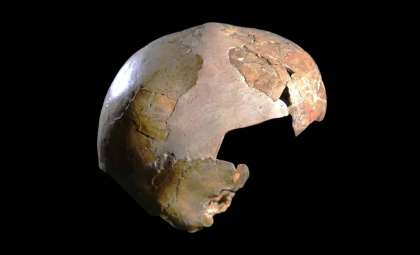
In 2024, Swedish archaeologist and artist Oscar Nilsson created a facial reconstruction by molding clay onto a 3D-printed replica of her skull. He layered anatomical markers, muscle shapes, and skin textures before adding hair, eyelashes, eyebrows, and silicone for realism. Nilsson explained to Nicolaus Copernicus University that the process requires between 200 and 400 hours. While the skull provides the foundation, details like eye, hair, or skin color require DNA evidence and remain speculative.
Child Burials Share the Same Restraining Features
A later find of a child aged 5 to 7 further supports the cemetery’s consistent fear-driven customs. The child, buried face down and accompanied by a triangular padlock near the feet, was near the vampire woman’s grave. Other child remains were found scattered around, emphasizing usage of lock-and-position techniques across ages. This discovery was reported in 2023.
Children sometimes received unique burial treatments, especially if they had died without baptism, from drowning, or sudden causes. Poliński noted that unexpected deaths could trigger anxiety in communities lacking scientific explanations for disease or decomposition. Although the exact cause for the child’s restraints isn’t known, their positioning and the lock conform to broader site patterns.

Forensic anthropologist Matteo Borrini has connected certain beliefs about vampires to the way illnesses spread within families. When relatives fell ill first followed by neighbors, these events were sometimes interpreted as actions of a revenant attacking close contacts. His research into vampire lore and disease transmission demonstrates possible links between contagious illnesses and fear of the undead. However, no direct evidence links epidemics to the Pień cemetery practices.
Over 30 Graves Reveal Intentional Dead Restraints
The burial ground contains more than 100 graves, with upwards of 30 including features clearly intended to immobilize the deceased. Although individual restraints like sickles, stones, or unusual body orientations have multiple interpretations, the broad excavation enables comparison of repeated elements within this distinct cemetery. Locks appear near feet, blades cross vital body parts, and some individuals were interred facing downward—practices consistent across both adults and children.
This site offers a rare and concentrated glimpse into 17th-century Polish funerary traditions heavily influenced by the dread of the dead returning. Physical artifacts like iron sickles, triangular padlocks, inverted burials, and altered skeletons collectively illustrate a cultural imperative to keep certain individuals firmly beneath the earth.
- Categories:
- News








0 comments
Sign in to Comment