

A diver uncovered a magnificent gold cross encrusted with emeralds inside a 16th-century Spanish wreck near Bermuda. Decades later, just before a royal visit, this priceless artifact vanished from a museum and was substituted with a counterfeit plastic replica.
The tale of the Tucker Cross began with Teddy Tucker, a former British naval diver who dedicated years to scouring Bermuda’s waters for sunken vessels. While his numerous finds made him a celebrated treasure hunter, none sparked as much intrigue as the ornate golden cross recovered from the San Pedro wreck.
Upon returning to Bermuda after World War II, Tucker launched a salvage operation focused on the seabed. Collaborating with local fishermen and chasing legends of lost ships, he discovered over 100 shipwrecks.

Among his numerous underwater recoveries, one would stand out above the rest: a Spanish galleon lost in 1592, laden with gold, silver, and a remarkable small golden cross destined to become one of the most notorious missing treasures globally.
Underwater Spanish Galleon Reveals Hidden Riches
Teddy Tucker first identified evidence of the wreck in 1951 after encountering Spanish cannons near Bermuda. By 1955, he was meticulously excavating the seabed, uncovering ship fragments and numerous valuable artifacts.

His dives recovered gold ingots, a hefty 36-ounce gold bar, gold coins, and over 200 silver coins, all confirming the shipwreck’s 16th-century origin. The most astonishing discovery came when Tucker lifted a massive piece of timbers hiding a small golden cross beneath.
“There was a big plank of some part of the ship, probably a hull plank or something,” Teddy Tucker recalled in an account shared by his daughter Wendy Tucker, who runs a website about his work.
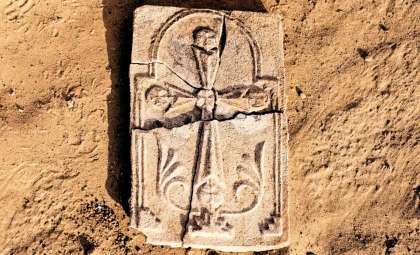
This exquisite piece measured roughly three inches long and was crafted from 22-karat gold. It contained seven emeralds, each the size of a musket ball. Tucker speculated the cross was not a refined Spanish artifact but rather a cruder item possibly originating from the Americas.
A Discovery That Captivated Treasure Enthusiasts
Initially, Tucker kept the golden cross under wraps, hiding it in a closet and deliberately obscuring the wreck’s location from other hunters.
“This expedition was casting a different look on treasure hunting, which until now, had only been a dream or part of a fantasy world that everyone talks about, yet no one believes will ever become a reality,” he stated. “From that moment on my mild interest in treasure hunting changed.”
However, the secret quickly leaked, turning the cross into an internationally renowned artifact. On his website, Tucker described the cross as one of the most valuable sunken treasures ever recovered.
Experts later examined the retrieved items. Smithsonian Institution specialist Mendel Peterson estimated the collection’s worth at $250,000 then, equating to over $3 million today.

After a contested ownership battle with the Bermuda government, Tucker sold the San Pedro treasure trove to the government in 1959. The cross was put on display, initially at the Bermuda Aquarium and later housed at the Bermuda Maritime Museum.
The Real Cross Vanishes, Replaced by a Replica
The saga of Tucker’s Cross took a shocking twist in 1975. Ahead of a planned visit by Queen Elizabeth II, the artifact was relocated to the Bermuda Maritime Museum, where Tucker was invited to escort the Queen through the exhibition.
Upon seeing the cross once more, Tucker noticed it appeared dull and unlike the original treasure. His daughter later revealed that when he handled it, paint flaked off in his hands.
The museum had been exhibiting a plastic imitation, freshly painted and not yet dried, while the authentic gold and emerald cross had mysteriously disappeared. Authorities from the FBI and Interpol investigated, but the true cross remains missing.
- Categories:
- News









0 comments
Sign in to Comment