

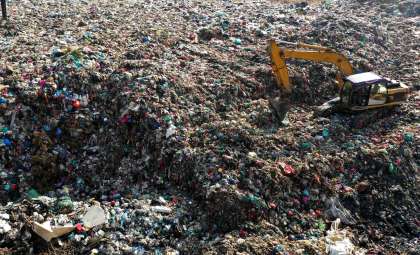
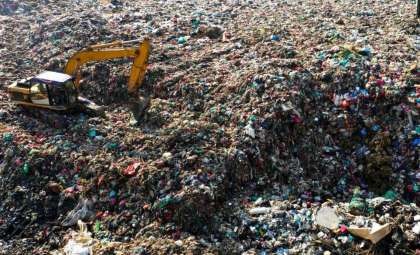
James Howells is convinced that a discarded hard drive containing private keys to a Bitcoin wallet lies buried somewhere beneath the refuse at Newport’s Docksway landfill—a place he has been attempting to search unsuccessfully since 2013. The software engineer spent many years trying to translate this hope into action.
He explored multiple avenues, including sharing profits, attracting investors, leveraging artificial intelligence, and even initiating legal proceedings. When those strategies proved futile, he explored a new approach: purchasing the specific landfill section where the drive is believed to be located.
However, the physical retrieval attempt has now ceased. In 2025, Howells announced he would no longer seek to buy the landfill, pursue excavation, or negotiate further with Newport City Council. Nonetheless, he emphasized that he remains determined regarding the Bitcoin itself and has redirected his focus toward a cryptocurrency initiative called Ceiniog. This development carries the story forward into 2026.

Discarded Hard Drive in 2013 Spurs a Dozen-Year Quest
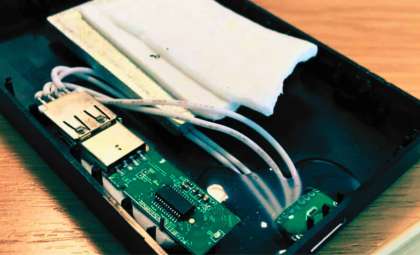
The saga began back in 2013 when a hard drive holding access credentials for Howells's Bitcoin mistakenly got thrown away and ended up at the Newport landfill.
Initial reports estimated the lost amount as 7,500 Bitcoins. According to the BBC's coverage from November 2013, Howells had mined 7,500 Bitcoins, and their value already amounted to millions of pounds. Subsequent accounts, including those about his recovery attempts and legal challenges, generally increased the total to 8,000 Bitcoins.

The fluctuating Bitcoin price dramatically altered the estimated valuation of the lost stash. A Guardian report from 2021 noted the holdings valued at £127 million at that time, with subsequent estimates climbing to several hundred million pounds.
By August 12, 2026, Bitcoin’s price hovered around $63,804, translating to an approximate value of $510 million for the 8,000 Bitcoins. This figure represents a market valuation on that day rather than a fixed worth assigned to the missing hard drive.
Leveraging Legal Avenues and Technology in the Hunt
Howells invested years seeking permission from Newport City Council to conduct a controlled landfill excavation.
A detailed BBC report in 2021 described one such proposal as Bitcoin's value surged. Eventually, his plans incorporated artificial intelligence to identify the hard drive amidst vast waste volumes.

Newport City Council declined excavation requests, citing environmental and regulatory concerns. Howells subsequently took legal action seeking site access.
This legal path ended in January 2025 when Judge Keyser KC rejected his claim, deeming it unlikely to succeed. The court accepted Newport's ownership of the hard drive and ruled Howells was not entitled to retrieve it.
An appeal attempt was also denied in March 2025.
Offer to Acquire Landfill Marks Last Physical Recovery Attempt
Following the court decision, Howells did not immediately abandon hopes of retrieving the drive.
In February 2025, after the council announced plans to close the landfill, he considered buying the site itself, discussing this option with investment partners.
By July, he submitted an official bid for the section believed to contain the drive, but this offer did not culminate in an excavation.
By August 2025, Howells declared the end of his physical recovery efforts.

“I am no longer pursuing the purchase of the landfill, excavation, remediation, or dialogue with the council or its representatives,” he told The Block.
He clarified that while he halted attempts to physically recover the hard drive, he had not renounced his claim to the associated Bitcoin.
Ceiniog Token: A New Focus Beyond the Landfill
Shifting gears, Howells turned his attention to Ceiniog Coin, a venture aiming to tokenize what he considers his lawful claims over the inaccessible 8,000 Bitcoins.
In August 2025, he explained to The Block his plan to create a Bitcoin-based token representing the lost asset. He presented this move as the next phase rather than the conclusion of his involvement with the Bitcoin.
This transition coincided with further developments: in 2025, entertainment firm Lebul secured rights to develop Howells’s story titled “The Buried Bitcoin,” intending to expand the narrative into a docuseries and related media projects. This followed an earlier announcement from Lightbox and BBC documenting his search.
As of July 2026, reports confirm Howells’s excavation attempts have concluded, with Ceiniog emerging as his latest endeavor. The hard drive remains unrecovered.
- Categories:
- News




0 comments
Sign in to Comment