

Several hours following the United States’ Castle Bravo nuclear test on March 1, 1954, radioactive dust began to rain down on Rongelap Atoll. This fallout settled on everything from housing and clothing to food and skin. Children played with the pale residue, while adults stayed active outdoors, unaware that they were being exposed to radioactive particles from America’s most powerful nuclear explosion.
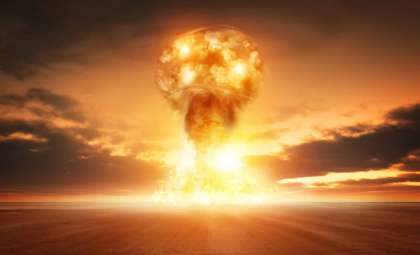
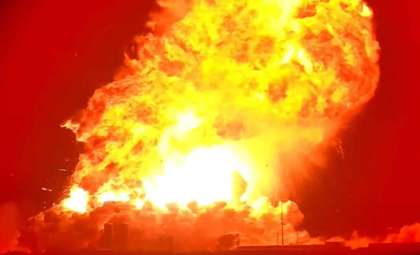
The explosion at Bikini Atoll yielded an unprecedented 15 megatons, almost triple what scientists had anticipated. It obliterated around 10 million tons of coral, sand, and seawater, propelling a tainted cloud that drifted over inhabited islands, U.S. military installations, and a Japanese fishing vessel. Eventually, more than 230 individuals were evacuated from Rongelap, Rongerik, and Utrik after prolonged exposure to the nuclear fallout, as chronicled by the Marshall Islands radiological program.
The community of Rongelap Atoll, roughly 110 miles from the blast site, endured the highest levels of radiation among all surrounding populated atolls. Medical records revealed skin burns, hair thinning, eye soreness, and blood cell abnormalities. Decades afterward, a detailed analysis of radiation doses in the Marshall Islands highlighted varying risks of cancer dependent on location, age, and the amount of fallout accumulated locally.

Castle Bravo’s Explosion Surpassed Expectations
Castle Bravo succeeded the American thermonuclear test Ivy Mike, conducted at Enewetak Atoll on November 1, 1952. Ivy Mike’s fusion fuel was liquid deuterium, requiring bulky refrigeration gear. The device stood over 20 feet tall, weighed at least 140,000 pounds, and was not transportable by air. Its 10.4-megaton blast destroyed Elugelab Island and created an underwater crater, marking a pivotal moment in the early hydrogen bomb development.

The move to lithium-based solid fuel aimed to create a thermonuclear weapon that could be more easily transported. Code-named “Shrimp,” the Castle Bravo device used this solid fuel, but engineers miscalculated its fusion contribution. The final blast reached 15 megatons, nearly 1,000 times more powerful than the Hiroshima bomb, detailed in the recently declassified Castle Bravo files.
This unexpectedly high yield significantly increased radioactive debris and how far it spread. Castle Bravo remains the largest of the 67 U.S. nuclear detonations in the Marshall Islands from 1946 to 1958 and the most severe contamination event across several northern atolls.
Radioactive Fallout Sweeps Populated Islands Rapidly
The radioactive plume drifted eastward from Bikini, contaminating Rongelap, Ailinginae, Rongerik, and Utrik Atolls. Fallout arrived on Rongelap roughly five hours post-detonation, blanketing inhabitants and their environment with a powder that locals likened to salt. Their lightweight, porous homes provided little barrier against the particles.
A declassified medical investigation documented the distribution of fallout. Rongelap residents described it as a salt-like residue on their skin, while American staff on Rongerik called it a “mist-like” layer. Early symptoms included burning sensations, itching, and eye discomfort, with some skin injuries taking nearly two weeks to manifest.

Approximately 12 to 15 days after exposure, skin lesions emerged on exposed areas including the scalp, neck, feet, arms, and legs—feet often suffered the worst damage. Hair loss was widespread, particularly among children: over 90% of Rongelap youth under 15 suffered some hair loss, compared to 28% of adults.
The Lucky Dragon Incident: Exposure Beyond Designated Zones
Radioactive fallout also affected the Japanese fishing boat Lucky Dragon No. 5 (Fukuryu Maru). Despite fishing beyond official test boundaries, its 23 crew encountered fallout dust on their deck and equipment, leading to radiation sickness and the death of one crew member.
This tragedy heightened public awareness in Japan about nuclear testing dangers, raising fears over contaminated seafood and radioactive fallout. The declassified archives detail contamination reports, evacuation decisions, diplomatic communications, compensation talks, and ongoing delays in the return of Rongelap residents due to unsafe radiation levels.
Exposure occurred through external radiation from particles settling on the environment and through ingestion or inhalation of contaminated air, water, and food. Proximity to the blast, wind conditions, length of time spent in fallout areas, housing type, diet, and age all contributed to exposure risk.
Elevated Cancer Risks Documented in Northern Atolls
Subsequent studies utilized historical radiation data, meteorological records, environmental sampling, and fallout dispersion models to reconstruct doses across the Marshall Islands. The National Cancer Institute report evaluated 20 tests with measurable fallout and estimated radiation-related cancer cases among over 25,000 residents alive from 1948 to 1970.
The highest risk projections were for northern atolls. Among 82 residents of Rongelap during the fallout, an estimated 55% of cancer cases were linked to radiation exposure. Estimates for Utrik were 10%, and for Kwajalein and Majuro residents, about 2% and 1%, respectively.
Across the entire population studied, approximately 170 additional cancer cases were attributed to fallout, representing up to 1.6% of all cancers expected. These included thyroid, stomach, colon cancers, and leukemia. Thyroid cancer risk was especially significant due to radioactive iodine accumulation, with children generally receiving higher doses.
The ongoing Marshall Islands radiological monitoring continues to track contamination and radiation in resettled populations. It identifies cesium-137 as the primary source of human-made radiation exposure today, originating both from the environment and from local food sources.
- Categories:
- News




0 comments
Sign in to Comment