

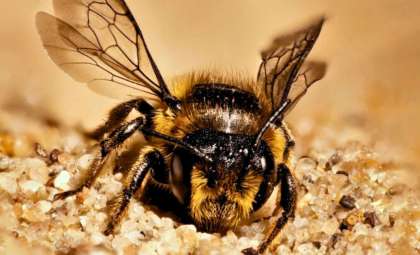
Researchers in Japan have identified a fossil bee that unveils a previously unknown chapter in the development of modern honeybees. This ancient insect, named Apis aibai, existed approximately 2.8 to 2.2 million years ago and represents the oldest confirmed fossil from the Apis subgenus found to date.
This fossil offers valuable insights by linking early honeybee fossils with genetic data that estimate the emergence of current species. Honeybees play a crucial role as pollinators, sustaining both natural ecosystems and agricultural productivity. The genus Apis consists of at least nine species categorized into three subgenera: Micrapis, Megapis, and Apis. The latter includes the Western honeybee (Apis mellifera) along with its closest relatives.
Before this finding, evidence of honeybee fossils mainly came from much older periods, such as the Oligocene and Miocene epochs, found in regions like Europe and China. Fossils dating to the Pleistocene and Holocene periods were scarce and generally identified as species still alive today.

Japan Yields a Well-Preserved Ancient Bee Fossil
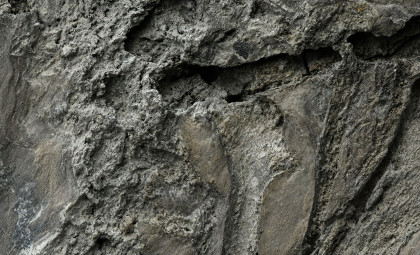
The newly identified Apis aibai was excavated from the Teragi Group, a geological formation comprised of volcanic and lacustrine sediments in Hyogo prefecture, Japan. The fossil was embedded in white, tuff-enriched siltstone, preserving sufficient anatomical detail for thorough analysis.
The specimen, a worker bee about 10 millimeters in length, displays well-preserved wings, hind legs, and body segments, allowing comparisons with modern-day honeybee species.

Dr. Yui Takahashi of Keio Yochisha Elementary School and Dr. Jun-ichi Takahashi from Kyoto Sangyo University elaborated:
“The honey bee, a general term for hymenopteran insects of the genus Apis (family Apidae), plays a vital role as a pollinator for both natural and agricultural ecosystems.”
Identification of the species was based on detailed examination of wing vein configurations and leg morphology. The dating of the fossil situates it between the much earlier fossil record and the more recent remains of living honeybees.
Revealing a Forgotten Ancestor of Asian Honeybees
The study, published in the online journal ZooKeys, revealed that Apis aibai shares significant traits with Apis nigrocincta, a species native to the Philippines and Indonesia. This relationship suggests that similar extinct species once had a broader geographic range.
“This suggests that the Apis nigrocincta-related extinct group, including the new species, historically had a wider distribution, ranging to temperate Japan of the Late Pliocene-Early Pleistocene age,” explained by the researchers.

This finding broadens our understanding of the historical range of these honeybees. Currently, most Asian honeybee species are found in tropical and subtropical zones across South and Southeast Asia, with only Apis cerana naturally occurring in temperate places like Japan.
Scientists propose that this extinct lineage may have contributed to the genetic heritage of Japan’s native honeybees, offering new perspectives on the evolutionary path of Asian honeybees.
Bridging Fossil Evidence and Genetic Insights
The unearthing of Apis aibai also corroborates earlier genetic studies suggesting that the Apis subgenus originated during the Late Miocene. Until now, fossil evidence supporting this timeline was missing.
Researchers highlight that this Japanese fossil fills a crucial gap between predictions from mitochondrial DNA analysis and the scarce fossil remains mostly found from the Eocene to Miocene periods in Europe and China.

- Categories:
- Science






0 comments
Sign in to Comment