

During an urgent archaeological dig at the Maddalusa necropolis near Agrigento, Sicily, experts uncovered a rare gold coin from Syracuse dating back to the fifth century BC. This find, placed within a centuries-old burial site, offers new insights into a turbulent era of Greek history on the island.
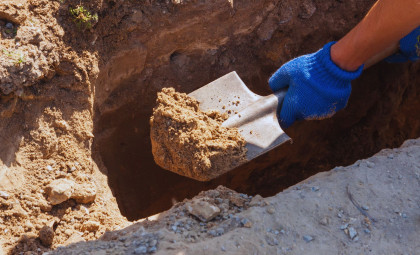
The excavation focused on a cappuccina tomb, a distinctive type of Greek grave roofed with tiles, situated in the coastal dunes west of the Akragas River mouth. Led by the Agrigento Superintendency, the team retrieved a gold coin remarkably preserved from the late fifth century BC.
This artifact is connected to the intense conflict between Sicilian Greek cities and Carthage, a time when Syracuse issued special gold coins to fund its military efforts. These coins were minted during the alliance between Syracuse and Akragas to repel Carthaginian forces.

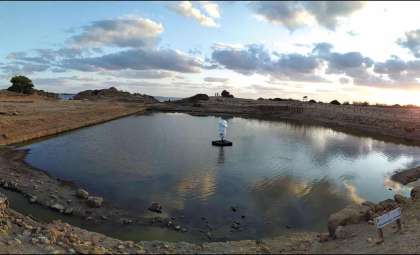
The coin was unearthed at the Maddalusa burial grounds, which form one of the largest ancient cemeteries associated with Akragas. Research shows the necropolis stretches over three kilometres along the shoreline and was in use from the city’s earliest days in the early sixth century BC until its decline at the close of the fifth century BC.
Symbolism Embossed on a Historic Syracusan Gold Coin
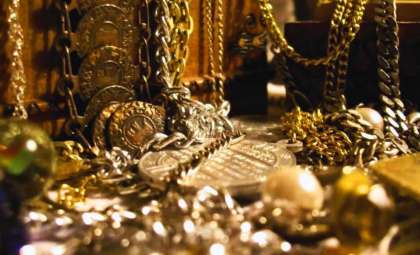
The coin features familiar motifs from rare Syracusan gold issues issued amid military conflicts. One side depicts the profile of Heracles facing left, adorned with the leontè—the Nemean Lion’s skin that he famously defeated in his first labor. The opposite side showcases a four-part incuse square with a diminutive female head at its centre. The inscription Syra confirms its origin as a coin from Syracuse.
According to Heritage Daily, these gold coins were produced during Syracuse's struggle against Carthaginian invasions at the end of the fifth century BC, serving as financial backing for military campaigns and support of Akragas.

The excellent condition of this coin offers scholars a rare glimpse into the economic and political challenges faced by Sicilian Greek cities during this era. Such artifacts preserve echoes of expansive historical events.
Insights Unearthed from a Millennia-Old Tomb Complex
The Maddalusa necropolis has been a subject of archaeological inquiry since the 1800s and remains a fundamental site linked with ancient Akragas. The cemetery reveals a variety of burial methods spanning different centuries.
Digs have exposed numerous tomb styles, from marble and calcarenite sarcophagi to tile-constructed graves, stone-lined interments, cremation pits, and infant burials inside ceramic containers. Many finds are displayed at the Pietro Griffo Regional Archaeological Museum in Agrigento, according to archaeological reports.
The discovered coin originated from a burial plot active in Akragas’s final flourishing years. This city was among the dominant Greek colonies in the western Mediterranean before Carthage's conquest. In 406 BC, following a prolonged siege, Carthaginian troops captured and razed Akragas, abruptly ending its golden era and shifting control in Greek Sicily.
A Glimpse Into Sicily’s Forgotten Ancient Era
The Syracusan gold coin holds importance due to its scarcity, state of preservation, and the historical context of its creation. It was minted amid shifting alliances, warfare, and rivalry reshaping Sicily. Archaeologists emphasize how even modest artifacts can narrate the critical junctures of civilizations.
A coin lost for over two millennia reveals the struggles, decisions, and events that shaped countless lives. Discovered in Akragas, this ancient artifact serves as a time-locked window onto the final phase of Greek dominance in Sicily. As La Sicilia notes, the find enriches the understanding of a critical epoch when Greek city-states and Carthage fought for control over the island.
- Categories:
- News




0 comments
Sign in to Comment