

NASA has initiated the installation of engines on the Space Launch System (SLS) vehicle designated for the Artemis III mission, signaling significant progress in the initiative to send astronauts back to the moon. This update from NASA highlights advances in assembling the rocket, preparing boosters, and crew training as the program moves toward launch readiness.
These latest actions bring the mission closer to liftoff, demonstrating critical strides in building one of the most sophisticated human spaceflight rockets ever. With Artemis III, astronauts will board the Orion spacecraft to reach the lunar surface as part of NASA's ongoing strategy to sustain long-term space exploration beyond Earth.
Engine Installation Commences on Artemis III Core Stage
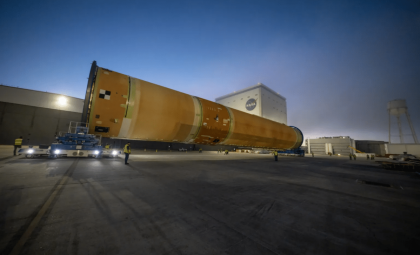
Per NASA, the four RS-25 engines have begun being affixed to the SLS rocket's core stage. These engines, pivotal to the rocket’s power, will deliver the thrust necessary to propel the spacecraft on its lunar journey.

The process demands precise positioning, rigorous inspections, and seamless integration with the core stage. Engineers must confirm that each engine is securely mounted and systems are fully connected before commencing further tests.
Having a storied legacy from their role in the Space Shuttle program, the RS-25 engines have been upgraded to support missions that extend beyond Earth's orbit. Together with solid rocket boosters, these engines will be responsible for generating the immense thrust needed during launch to send the Orion spacecraft toward lunar orbit.
This installation is one phase among many in the assembly of Artemis III hardware, where every element undergoes thorough checks to ensure flight readiness.
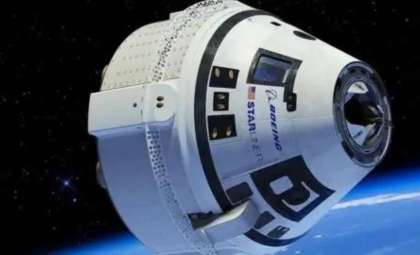
Artemis III progress continues with installation of the RS-25 engines and ongoing integration of the twin solid rocket booster segments for SLS, continued hardware installation and testing on the recently powered-on Orion spacecraft, and the Artemis III crew’s intensive training.… pic.twitter.com/rRk3OS9oXi
— NASA Artemis (@NASAArtemis) August 27, 2026
Ongoing Booster Preparation and Integration for Artemis III
The Space Launch System incorporates several critical components working in synergy at launch. In addition to engine installation, teams are finalizing work on the solid rocket boosters and related flight systems for Artemis III.
These boosters supply crucial additional thrust during the rocket's initial ascent, helping it break free from Earth’s gravitational pull. Their preparation involves detailed inspections and technical assessments to ensure safety and functionality.
NASA employs methodical validation protocols to verify the entire launch system’s performance and reliability. Experts meticulously scrutinize every part to guarantee mission success.
Coordinating numerous teams covering propulsion, spacecraft subsystems, ground support, and crew operations, the Artemis III program is a model of integrated efforts advancing lunar exploration.
The project embodies years of meticulous engineering, aiming to produce reliable human spaceflight solutions capable of supporting lunar surface operations and in-space activities.

Artemis III Crew Training Progresses Toward Lunar Expedition
As the rocket assembly continues, the Artemis III astronauts are actively engaged in rigorous training routines to prepare for the mission’s lunar challenges. This preparation spans spacecraft systems operations, surface activities, and simulated mission scenarios.
Astronauts train comprehensively for every mission phase, including launch, deep space transit, and lunar environment operations. This hands-on practice allows them to refine mission protocols and collaborate closely with ground teams ahead of flight.
Operating on the moon entails unique obstacles like lower gravity, communication lags, and the use of specialized gear distant from Earth support. Training builds the crew's expertise to navigate these complexities effectively.
Training sessions also serve to assess and optimize mission plans while strengthening astronaut-controller coordination. This preparation aims to identify and mitigate potential challenges well in advance of launch.
The Artemis III crew’s readiness reflects NASA’s broader focus on establishing sustainable human space exploration capabilities, paving the way for future deep space endeavors.
- Categories:
- Nasa









0 comments
Sign in to Comment