

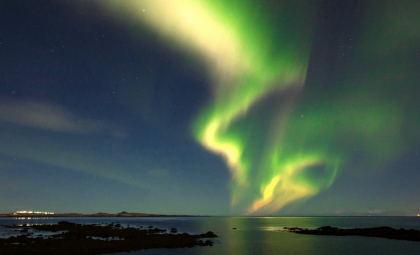
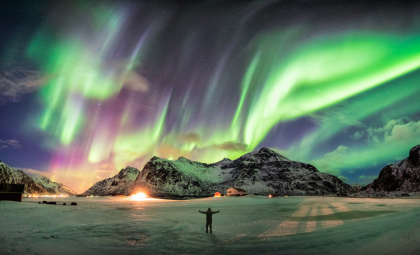
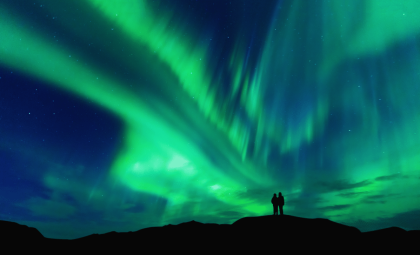
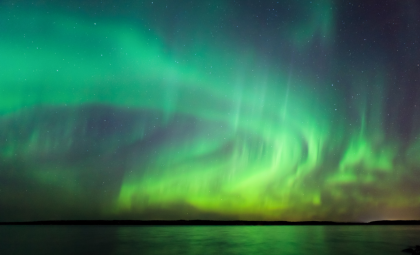
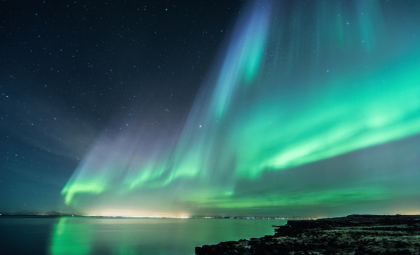
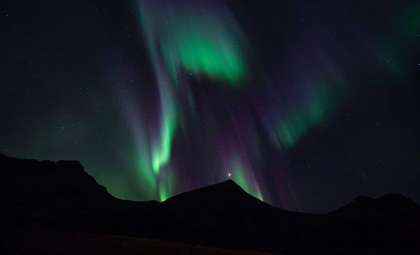
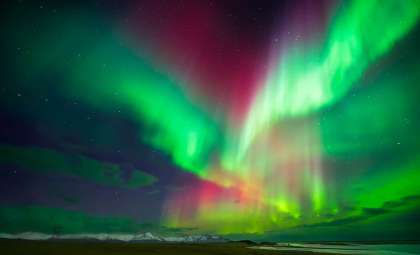
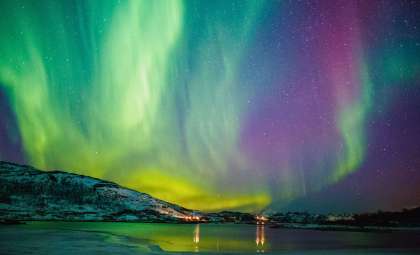
The latest predictions from NOAA highlight an exciting chance for residents across the northern United States and Canada to experience the aurora borealis between Friday and Sunday. Although the northern lights are typically associated with winter, a surge in solar activity is creating rare conditions for a summer exhibition of this breathtaking natural light show. Those willing to venture into dark, clear night skies may witness this dazzling spectacle.
Moderate Geomagnetic Storm Expected to Trigger Extensive Aurora Visibility
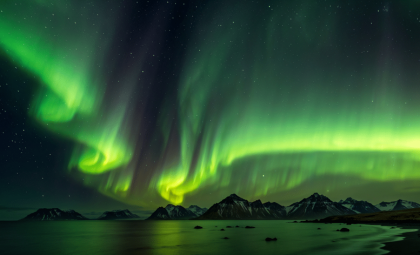
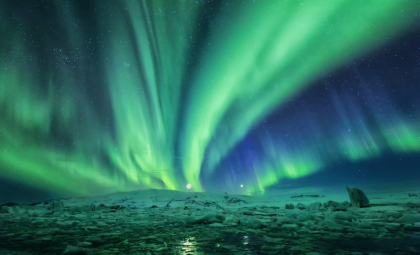
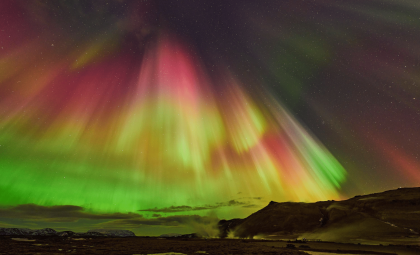
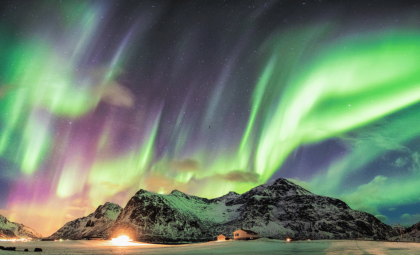
NOAA’s Space Weather Prediction Center reports a forecast for G2 (moderate) geomagnetic storm conditions unfolding over the weekend. These storms arise when charged particles from the Sun interact with Earth’s magnetic field, creating luminous waves of green, red, and sometimes purple light in the upper atmosphere. Current models suggest the aurora could be visible over much of Canada and parts of the northern U.S., offering a unique opportunity for many to view it without heading to Arctic regions.
While uncertainty remains with geomagnetic predictions, current data points to multiple nights with favorable conditions. The most intense activity is anticipated as an incoming solar disturbance merges with a fast-flowing solar wind stream, potentially expanding the auroral oval further south than usual for increased visibility.

Best U.S. Locations to Catch the Northern Lights
The forecast highlights the northernmost states as prime viewing areas. Alaska, Washington, Idaho, Montana, North Dakota, Minnesota, Wisconsin, and Michigan lie fully or partially within the predicted aurora zone. Clear skies, minimal light pollution, and rural settings away from urban glow will greatly enhance viewing experiences.
In spots where lights seem faint to the unaided eye, smartphone cameras often reveal richer colors. Observers are advised to scan the northern horizon and be patient, spending ample time outdoors after nightfall to catch shifting auroral displays as storm activity fluctuates.

Weekend Aurora Driven by Solar Eruption and Fast Solar Wind
The anticipated display stems from a coronal mass ejection (CME) coupled with rapid solar wind emerging from a coronal hole. These solar phenomena propel charged particles into space, which upon reaching Earth, disrupt its magnetic field, causing geomagnetic storms that generate auroral lights. The planetary Kp index is predicted to hit about 5.67, signaling moderate storm conditions conducive to extending aurora visibility to lower latitudes.
Even though the Sun has passed its official solar maximum phase in 2024, bursts of solar activity continue, prompting geomagnetic storms as the solar cycle tapers off. These events offer valuable opportunities for scientists to observe solar-terrestrial magnetic interactions.

Tips for Optimizing Northern Lights Viewing Opportunities
To enhance the chance of seeing the northern lights, choose locations away from artificial lighting with a clear northward view and cloudless skies. Although a nearly full moon might brighten the sky and reduce contrast, strong geomagnetic activity can still make the auroras visible. Patience is key, as auroral intensity may vary significantly over several hours.
For photography enthusiasts, using a tripod and enabling night mode on cameras or smartphones can capture the vivid colors often invisible to the naked eye. Given the unpredictable intensity of geomagnetic storms, continually consulting NOAA’s real-time 30-minute aurora forecasts throughout the night is recommended to track changes and improve chances of witnessing this spectacular summer light show.
- Categories:
- News

0 comments
Sign in to Comment