

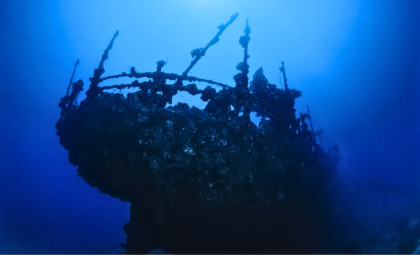
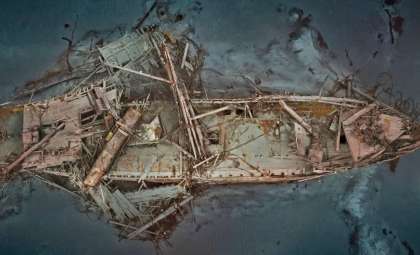
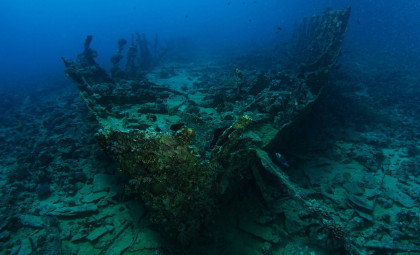
An ancient Byzantine shipwreck, recently uncovered near the Croatian island of Mljet, holds the largest assortment of gold artifacts ever retrieved from a Mediterranean shipwreck. Dating back to the seventh or eighth century, the vessel contained ornate belts, coins, and a gold signet ring possibly connected to Emperor Heraclius.
Resting beneath the Adriatic Sea, this shipwreck provides a valuable glimpse into a Byzantine era that remains shrouded in mystery. Located among more than two dozen preserved shipwrecks around Mljet, this site highlights nearly 2,500 years of maritime history that has lingered underwater.
Since 2015, experts from the Croatian Conservation Institute have examined the wreck and quickly recognized its exceptional significance. The cargo reflects a network of wealth, commerce, and political ties from a time with scarce surviving written documentation.

Gold Treasures Linked to Byzantine Nobility
Key artifacts from the find include several gold belt sets embellished with rubies, emeralds, and pearls, alongside coins from four rulers of the Heraclian dynasty. The total weight of the recovered gold exceeds 21 ounces. Igor Miholjek, the lead researcher at the Croatian Conservation Institute, told Reuters:
“This is an impressive amount of gold, the largest ever found on a shipwreck in the entire Mediterranean. It weighs over 600 grams when weighed after cleaning and restoration.”
Among these treasures, a gold signet ring believed to depict Emperor Heraclius—who reigned from 610 to 641 C.E.—has drawn considerable interest. This artifact hints at ties to the Byzantine empire’s upper echelons.

According to the Croatian Conservation Institute, such a ring would have exclusively belonged to a high-ranking official empowered to authenticate documents on behalf of the emperor. The identity of its owner and the reason for its presence on the ship remain unknown.
New Insights into a Historically Elusive Era
The shipwreck dates back to the so-called Dark Ages, specifically the seventh or eighth century—a time long thought to be marked by cultural decline in Europe. However, modern studies increasingly question this perspective. Written archives from this era are scarce, making the Mljet shipwreck invaluable as concrete evidence to enrich historical understanding.
“It’s a blank,” said Francesco Borri, a medieval history expert at Ca’ Foscari University of Venice, as quoted by National Geographic. “That’s why the discovery of this ship is so exciting,” he added.

The wreck also contradicts the belief that the Adriatic Sea was isolated and impoverished during this time. Contrary to assumptions of minimal maritime activity, the cargo illustrates ongoing trade and exchange of valuable items throughout the region, bridging communities in an otherwise opaque historical interval.
The Enigma of the Gold-Laden Voyage
The most puzzling question remains the ship’s mission. While its cargo includes luxurious gold artifacts, it also contains everyday items such as amphorae, ceramic vessels, and game-board fragments.
Experts continue to investigate the reasons behind this mixed cargo. Some gold belts appear decades old, suggesting they might have been transported for melting and repurposing. Another theory is that the items served as diplomatic gifts intended for a foreign dignitary. However, the presence of mundane goods alongside the treasures complicates interpretations of the ship’s intended purpose.
“Whatever was going on here, this was no normal trading venture,” Miholjek noted.

The association with the Byzantine emperor points to the likelihood that a prominent official might have been traveling aboard, perhaps on a diplomatic mission. Alternatively, it’s possible a wealthy passenger simply traveled on a commercial vessel. Archaeologists have yet to reach a definitive conclusion and will persist in their exploration of the artifacts and ongoing dives to uncover further clues about the ship’s occupants, cargo, and final journey.
- Categories:
- Science





0 comments
Sign in to Comment