

After more than a century beneath the waves, the remains of the Royal Navy destroyer HMS Tiger have finally been discovered near the Isle of Wight. The vessel sank 118 years ago following a catastrophic collision during a nighttime drill, resulting in the tragic loss of over half its crew in 1908. HMS Tiger was severed in two after cutting across the path of the cruiser HMS Berwick, leaving those onboard little chance to evade the impact.
The site of the shipwreck remained a mystery for generations until a dedicated five-year investigation conducted by divers and maritime historians from ProjectXplore pinpointed its location, shedding light on a largely forgotten episode of British naval history.
The sinking made headlines back then, even prompting a condolence message from King Edward VII. Memorabilia like commemorative postcards were issued to honor those who suffered in the tragedy.

Decade-Long Investigation Leads to HMS Tiger
Uncovering the HMS Tiger was the outcome of meticulous archival research that combined naval records with underwater exploration. The ProjectXplore team leveraged historical data to methodically reduce the search area.
“ProjectXplore welcomes the proposed amendments in the Armed Forces Bill. We believe they represent a constructive step forward in protecting the United Kingdom’s maritime heritage and ensuring that wreck sites of historical and archaeological significance are appropriately safeguarded,” said the Royal Navy in a statement.
The initiative was spearheaded by Leo Fielding and Dan McMullen, who called discovering and recording the final location of HMS Tiger a once-in-a-lifetime honor. Their mission is to preserve the legacy of the ship and those associated with its tragic end.
The accident stands as one of the Royal Navy’s gravest peaceful-era maritime tragedies in the early 1900s. During the fateful 1908 night exercise, HMS Tiger was unable to alter course to avoid HMS Berwick. Out of the 57 crewmen, fewer than half made it through.
Confirmation of HMS Tiger's Identity
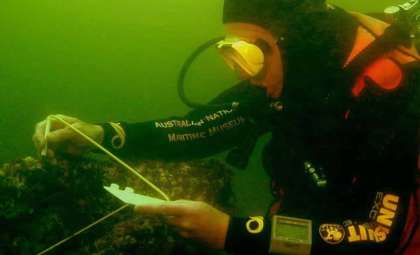
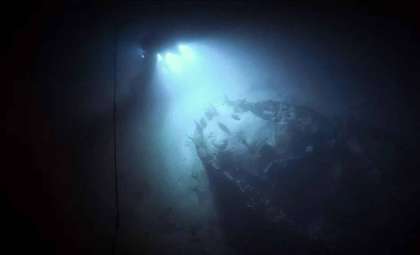
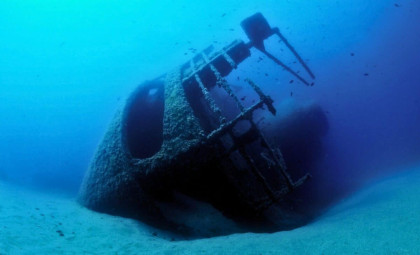
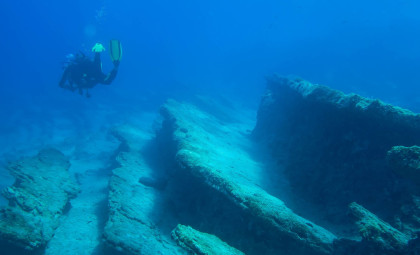
After locating the wreck, researchers started cataloging the debris and identified elements characteristic of its naval function. Among the findings were a torpedo tube situated at the bow and 12-pound ammunition scattered throughout the site. To pay tribute, a wreath of poppies was laid upon the wreck.
The Royal Navy highlights that such submerged sites create a tangible link to history. Lieutenant Commander Jen Smith, deputy fleet wreck officer, emphasized that diving expeditions to these locations ensure the memory of the vessels and their crews endure.
“Divers are still able to visit these sites and witness history first hand, which is key to ensuring that these ships and their crews are not forgotten,” she said, while encouraging visitors to avoid disturbing them. “All we ask of divers is this – enjoy looking, learning and paying your respects at these incredible sites.”

The announcement of this discovery coincided closely with news of another extraordinary underwater find: an ancient Roman shipwreck off Sicily, dating back over 2,000 years.
Efforts to Preserve Military Shipwrecks Intensify
This discovery takes place amid the UK's push for enhanced legal protection of historic military wrecks beneath its seas. The proposed Armed Forces Bill could grant protected status to these sites, strengthening conservation measures and safeguarding invaluable naval relics from harm.
“As well as protecting UK national security, Defence has a role to play in preserving our maritime heritage and the memory of those who gave their lives serving their country,” said Louise Sandher-Jones, Minister for the Armed Forces.

Presently, legislation mainly protects military vessels lost within the past 200 years, leaving older wrecks less secure. The proposed legal enhancements aim to cover a broader range of historic military shipwrecks, helping to conserve these submerged monuments for future generations.
These expanded protections ensure that such fragile and nationally important underwater sites receive immediate safeguarding upon discovery, providing respect and dignity to lost sailors.
- Categories:
- News







0 comments
Sign in to Comment