

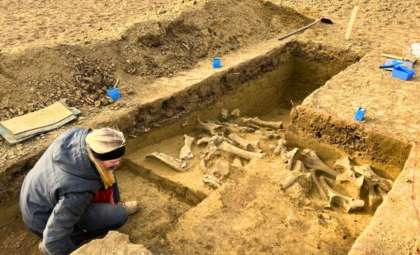
Exceptional drought conditions have lowered the Danube’s water levels, unveiling the fossilized remains of a woolly mammoth near Ryahovo, Bulgaria. A local individual spotted large bones exposed on the riverbank and promptly notified authorities, initiating an excavation that has recovered a jawbone, tusks, and rib bones.
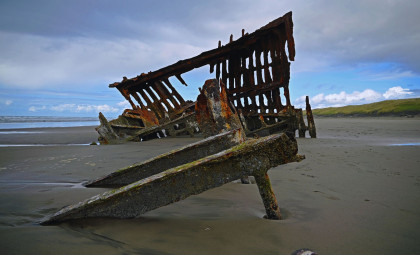
This discovery follows shortly after historic shipwrecks emerged upstream due to the drought, illustrating how reduced river flow can unearth hidden relics. Unlike those recent finds, this mammoth dates back hundreds of thousands of years, offering a glimpse into deep prehistoric times.
The Regional History Museum in Ruse dispatched experts after receiving photographs of the remains. For them, this discovery raises critical questions about how the mammoth ended up at this location, the state of its preservation, and the potential for additional remains nearby.

Recovered Bones Indicate a Massive Creature
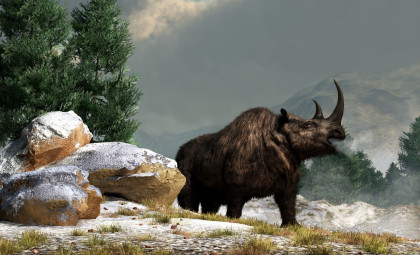
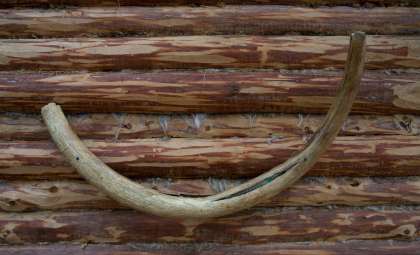
Excavation teams at Ryahovo have so far retrieved a lower jaw, a pair of tusks, a shoulder blade, and multiple ribs, with curators speculating that more bones might still be buried close to the surface. According to the Bulgarian News Agency, scientists estimate this mammoth stood nearly 16 feet tall and weighed between 7 and 8 tons, exceeding common size expectations for woolly mammoths. For comparison, Britannica notes that typical adult woolly mammoths measured around 10 to 12 feet tall.

The species emerged approximately 500,000 to 800,000 years ago during a colder climate phase in the region’s history. Most populations of woolly mammoths vanished by 7,000 to 10,000 years ago, though some isolated groups persisted until about 4,000 years ago. Having remained submerged for an extended period, the bones have started to deteriorate once exposed to air, prompting careful excavation and preservation efforts to protect them for transport and research.
Competing Ideas on the Mammoth’s Presence at the Site
The precise circumstances that led to the mammoth’s remains being found on this stretch of riverbank remain uncertain. Experts at the museum have proposed two main theories. Krasimir Kirov, curator of the Nature Department, suggests the location could have acted as a natural collection point, where river currents accumulated bones from various animals over time. However, some bones might originate from creatures that inhabited the nearby area directly.
Alternatively, museum director Nikolay Nenov, points out that unlike other local mammoth remains scattered among river deposits and requiring dredging, these bones were found tightly grouped. This finding implies the mammoth may have died right there, potentially in what was once a swampy environment.

Researchers are also analyzing the bone coloration, as darkening toward black or deep brown might indicate the creature died in a bog, though this hypothesis remains tentative as color alone cannot definitively determine the environment at the time of death.
Fossilized Wood Adds Depth to Ryahovo’s Prehistoric Landscape
Mammoth fossils are not the only ancient discoveries near Ryahovo. Petrified trees dating back millions of years frequently appear in the area, generally as fragments rather than intact trunks, often mistaken for ordinary stones. Kirov recounts a story of dredgers who unknowingly used a piece of petrified wood to keep a door open, only discovering its true nature when it was later added to the museum’s collection.
After conservation and analysis, the retrieved mammoth skeleton fragments are expected to be exhibited at the Regional History Museum in Ruse, complementing an existing mammoth model that helps visitors appreciate the animal’s impressive size.
“I would not call it a sensation, but every discovery of such ancient remains is very important for science,” the museum’s director explained.
- Categories:
- Science




0 comments
Sign in to Comment