

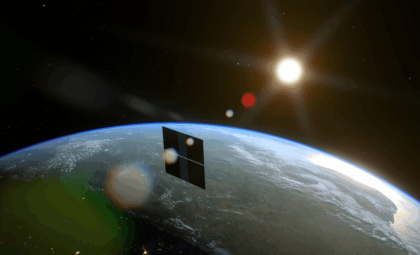
The European Space Agency (ESA) has successfully deployed two advanced satellites, FLEX and Sentinel-3C, ushering in a new era of spaceborne instruments dedicated to observing Earth's vegetation, oceanic patterns, and climate dynamics. This mission aims to equip scientists with valuable data on plant processes and environmental shifts worldwide.
Paired Satellites Enhancing Earth System Research
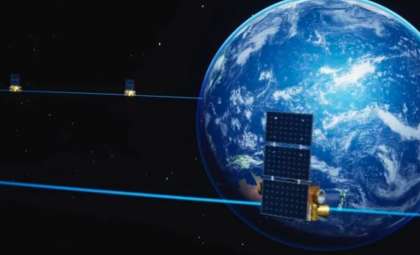
The deployment of FLEX (Fluorescence Explorer) alongside Sentinel-3C marks a significant advancement in Earth observation technology. Both satellites, while targeting different scientific goals, collectively offer enhanced insights into how the planet's natural systems transform over time.
FLEX specializes in detecting plant fluorescence, the faint glow emitted as a byproduct of photosynthesis, providing crucial insights into how vegetation harnesses sunlight. This data will allow researchers to assess plant vitality, ecosystem functioning, and the integral role of flora in global carbon and hydrological cycles.

The Sentinel-3C satellite, the newest addition to the Sentinel-3 fleet, continues the mission of surveying Earth’s seas, terrestrial zones, ice expanses, and atmospheric conditions as a vital component of Europe’s Copernicus Services.
According to ESA, these dual satellites were engineered to enhance Earth observation capabilities, delivering detailed environmental data to the scientific community.
Simonetta Cheli, ESA’s Director of Earth Observation Programmes, remarked, “This launch represents the fruit of extensive scientific innovation, engineering prowess, and international partnerships.
“FLEX, developed under ESA’s FutureEO programme, is a research mission that advances our knowledge of plant health and photosynthesis’s role in carbon and water cycles. Sentinel-3C, as the third Sentinel-3 satellite, systematically measures Earth’s oceanic, terrestrial, cryospheric, and atmospheric parameters to support the Copernicus Services.”
FLEX Captures Subtle Plant Signals for New Ecological Insights
The FLEX mission employs a groundbreaking approach to vegetation monitoring from orbit. Rather than solely capturing visible images, it measures the subtle light emitted during photosynthesis.
Because photosynthesis links ecosystems with atmospheric processes, global tracking of this fluorescence will give scientists valuable information on how plants react to stresses like drought and temperature fluctuations.
As part of ESA’s FutureEO programme, FLEX supports the development of cutting-edge Earth observation tools. Its data will enhance models of ecosystem dynamics and clarify vegetation’s influence on climate patterns.
The satellite’s unique ability to directly gauge plant activity from space promises new benefits for agriculture, ecosystem conservation, and climate study by providing reliable data on the health of forests, crops, and wildlands.
By integrating FLEX’s observations with data from other satellites, researchers will gain a more comprehensive understanding of Earth's biosphere.

Sentinel-3C Strengthens Europe’s Continuous Earth Monitoring Effort
The Sentinel-3C satellite extends Europe’s commitment to uninterrupted observation of terrestrial and marine environments. It supports a long-established program aimed at delivering consistent data for research and operational applications.
This satellite tracks sea temperature, ocean level shifts, marine biodiversity, land surface conditions, and ice extents, underpinning climate science, environmental stewardship, and numerous practical services across Europe.
Part of the Copernicus Sentinel-3 mission, Sentinel-3C contributes vital information describing changes on a planetary scale.
ESA highlighted the intricate preparations needed to launch two satellites simultaneously. Teams of engineers, scientists, and industry professionals collaborated intensively to ready both spacecraft for a safe journey to orbit.
Simonetta Cheli added, “Launching two satellites at once is a formidable challenge. I extend my gratitude to all experts dedicated to developing, testing, and preparing both satellites, ensuring their successful deployment in orbit.”
This achievement underscores the global teamwork essential to creating sophisticated space missions aimed at deepening our understanding of Earth.
- Categories:
- News





0 comments
Sign in to Comment