

Researchers have uncovered four previously unknown species of blind pseudoscorpions living in South Korea’s subterranean caves, unveiling a richer variety of underground arachnids than was once believed. These newfound species belong to the genus Spelaeochthonius, specially adapted to thrive in complete darkness.
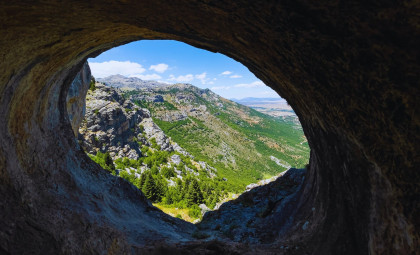
The species were located within cave networks across the Taebaek and Sobaek mountain regions, areas that harbor highly specialized life forms confined to subterranean environments. South Korea is home to over 1,000 caves, yet a significant portion has not undergone thorough scientific examination. Until now, studies on cave-dwelling pseudoscorpions in this region have been limited, leaving much of their diversity undiscovered.
Due to a shortage of experts focusing on these tiny arachnids, it was previously thought that South Korea hosted only one species, Spelaeochthonius dentifier. However, lead researcher Kyung-Hoon Jeong from Jeonbuk National University revealed that genetic and morphological analyses demonstrated distinct differences among the creatures uncovered.

Discovery of New Cave-Dwelling Species in South Korea
The team identified four novel species: Spelaeochthonius dugigulensis, S. geumgulensis, S. magwihalmigulensis, and S. yamigulensis. Each was confined to a single cave or karst formation, illustrating the secluded nature of these underground habitats.
During their expeditions, scientists observed that nearly every cavern included unseen blind pseudoscorpion species. These distinctions were corroborated through detailed physical examination and DNA sequencing.
Furthermore, the newly discovered species shed light on evolutionary ties between Korean and Japanese cave fauna. Kyung-Hoon Jeong shared with IFLScience that these animals offer a window into evolutionary events dating back over a millennium.

This research challenges earlier assumptions that Spelaeochthonius existed as a single species across Korea; instead, multiple distinct evolutionary branches appear to inhabit different regions.
The Adaptation of Cave Arachnids to Perpetual Darkness
Pseudoscorpions are minuscule arachnids resembling tiny scorpions but lacking the characteristic tail and venomous stinger. While some live in standard environments, others have uniquely evolved to endure underground conditions.
The genus Spelaeochthonius is sometimes referred to as dragon pseudoscorpions due to their disproportionately large jaws, which give them an eye-catching and unusual look.
Living in caves has led to troglomorphic adaptations—traits including loss of coloration, diminished or absent eyesight. These adaptations suit them perfectly to life in dark, subterranean settings.

The authors describe these pseudoscorpions as “completely blind, pale, and highly troglobitic.” Their form and physiology reflect their environment deep within caves where sunlight never penetrates.
Published in PLOS One, the study highlights the exceptional specialized evolution these creatures exhibit and underscores how isolated subterranean ecosystems can harbor unknown biodiversity.
Why These New Finds Stress the Importance of Cave Conservation
Identifying four novel species brings attention to the urgent need to study and safeguard South Korea's cave habitats. With each pseudoscorpion species documented in only one individual cave system, their survival depends on preserving these fragile environments.
Scientists urge heightened conservation efforts to protect these underground ecosystems and the unique organisms living within them. Disturbing such habitats could lead to irreversible losses of these specialized species.

The study also points out that many other elusive cave dwellers remain to be discovered. Due to their small size and remote locations, focused research is essential to uncover the full extent of subterranean biodiversity.
- Categories:
- Science



0 comments
Sign in to Comment