

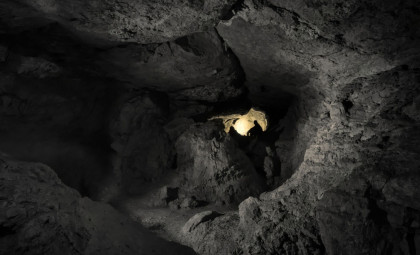
Researchers have uncovered traces of human activity dating back 86,000 years at İnkaya Cave, located in northwest Turkey. The site has yielded numerous flint tools that shed light on the resource use of Middle Paleolithic communities.
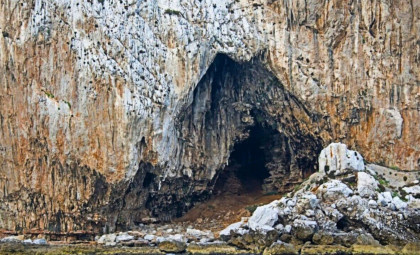
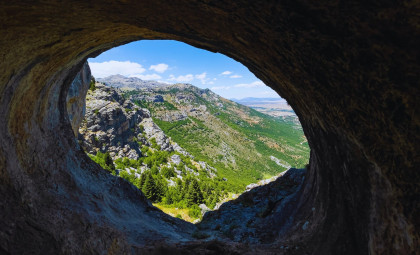
Situated near the village of Bahadırlı in the Çan district of Çanakkale province, İnkaya Cave has gained archaeological significance following six years of systematic excavation. The ongoing research examines how Paleolithic populations inhabited and migrated between Anatolia and the Balkans.
The cave was initially spotted in 2016 during the Muğla and Çanakkale Provinces Survey, an initiative led by İsmail Özer of Ankara University’s Paleoanthropology Department. Multiple excavation campaigns since have confirmed the site's use during the Middle Paleolithic era, spanning roughly from 250,000 to 50,000 years ago.

A team of 20 experts focused recent digs on the cave’s eastern slopes, where the oldest artifacts were uncovered. Professor İsmail Özer notes that these findings reshape the understanding of Çanakkale’s prehistoric record, given previous assumptions of minimal Paleolithic activity in the region.
Prehistoric Habitation Fueled by Natural Resources
Findings indicate that İnkaya Cave was more than a transient shelter for early humans. Evidence suggests that groups resided at the site for extended durations, attracted by two major resources: local flint deposits for toolmaking and consistent water availability.
The cave’s natural geology appears to have influenced human settlement. Whereas many Paleolithic sites required inhabitants to transport raw materials, those at İnkaya Cave could source flint directly from the surrounding area.
The site also offers valuable insights into ancient migration patterns in the region. Positioned between Anatolia and the Balkans, İnkaya provides a unique window on how early humans adapted to diverse environments during the Paleolithic era.

Professor İsmail Özer explains that Çanakkale stands out as one of Turkey’s richest provinces for Paleolithic archaeology. He further highlights that cave-based research remains scarce in Turkey, where attention has largely focused on open-air sites, particularly in the south.
Varied Flint Tools Illuminate Daily Tasks from Millennia Ago
According to a report from Archaeology News, the most significant finds at İnkaya Cave are a diverse collection of flint implements. These tools display various forms and sizes, indicating they were crafted for multiple purposes instead of a single function.
A notable artifact is a toothed tool, thought to function similarly to a modern saw. Excavators also identified implements that seem to have been fitted with handles, possibly made from branches, bone, or horn, affixed using resin.

The creation of these tools entailed meticulous craftsmanship. Early humans shaped stones by thinning and reshaping edges to produce effective working surfaces suitable for tasks like soil excavation or animal hide scraping.
The precise uses of these artifacts remain subjects of ongoing research. Upcoming microscopic examinations could uncover wear patterns and residues, offering deeper insight into their functions and handling by prehistoric makers.
Stone Artifacts Reveal Details of Ancient Cave Occupation
The Arkeolojihaber social media account notes that despite the wealth of stone tools, excavations have yet to find organic remains such as human bones, animal remnants, or plant matter that would illuminate ancient diets. The absence of such material makes the lithic evidence especially critical for interpreting past habitation.
This gap means that current knowledge favors insights into technological capabilities over lifestyle details. Questions about dietary habits, daily living, and environmental interactions of these groups remain open.

The excavation team concludes that İnkaya Cave’s significance lies in the blend of natural features and archaeological artifacts. The accessible flint allowed the manufacture of tools onsite, making this cave a favored location for multiple occupations over time.
- Categories:
- Science




0 comments
Sign in to Comment