

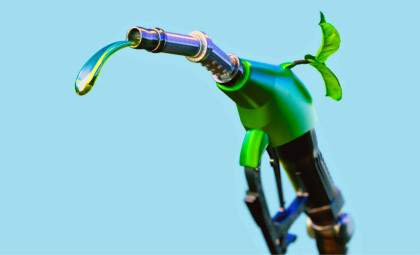
A pioneering company based in New York has developed a device that generates gasoline by extracting carbon dioxide directly from the atmosphere, combining it with water and electricity. This method offers an alternative route to producing liquid fuel without tapping into fossil oil reserves.
In a announcement from May 2025, Aircela revealed a demonstration of their technology on a Manhattan rooftop. The firm claims the gasoline produced can be used directly in existing engines and fueling infrastructure without modifications.
While the technology enabling gasoline derived from air is functional, a demonstration alone doesn’t verify its commercial viability compared to traditional fuels or electric vehicles.


This initiative is part of a growing movement to create synthetic gasoline from captured carbon dioxide, rather than relying on crude oil. The benefit is that this liquid fuel can be used in current cars and fuel stations while lowering dependence on freshly mined fossil carbon.
Transforming Air into Liquid Fuel
The process starts with direct air capture, which pulls CO2 from ambient atmospheric air. The U.S. Department of Energy defines direct air capture as a technique involving chemicals that isolate low-concentration CO2 from the atmosphere to either store or repurpose it.
Based on Aircela’s technical explanation, their setup utilizes a potassium hydroxide solution to trap carbon dioxide. Simultaneously, electricity drives water electrolysis to generate hydrogen.
The captured CO2 and hydrogen are synthesized into methanol. Subsequently, Aircela transforms methanol into gasoline using a methanol-to-gasoline (MTG) process.

The company specifies that their method relies on direct CO2 hydrogenation followed by MTG, differing from Fischer-Tropsch synthesis.
The broader domain of e-fuels is well developed. The DOE’s e-fuels program specializes in generating fuels and chemical products from electricity, hydrogen, and captured atmospheric carbon.
What distinguishes Aircela’s concept is the integration of multiple transformation steps into a compact, modular device instead of relying on large-scale centralized factories.
Energy Input Challenges
Aircela’s machines are engineered to capture approximately 10 kilograms (22 pounds) of CO2 and produce about one gallon of gasoline every 24 hours.
Achieving these results demands a large supply of clean electrical power to maintain the environmental advantages intended.
The firm aims for an energy conversion efficiency greater than 50 percent, estimating around 75 kilowatt-hours of electricity to produce a single gallon of gasoline. However, this target has not been validated by external, long-term testing.
Energy efficiency remains a critical hurdle for synthetic fuel production. An International Council on Clean Transportation study highlights the significantly higher electricity needs for power-to-liquid fuels compared to the actual energy content of the fuels created.

This explains why synthetic fuels face stiff competition from electric vehicles based on efficiency. Battery cars convert electricity more directly, whereas synthetic gasoline involves multiple stages before being combusted in engines.
Nonetheless, liquid fuels provide practical advantages: easy storage, transport, and compatibility with existing vehicles, potentially beneficial where battery infrastructure is impractical.
Emissions Are Not Eliminated
Gasoline synthesized from air-derived carbon doesn’t erase CO2 emissions upon combustion.
Carbon locked in the fuel is released once burned as tailpipe emissions, including carbon dioxide.
According to the U.S. Environmental Protection Agency, burning an average gallon of gasoline emits roughly 8.9 kilograms of CO2. Though the exact emissions of synthetic gasoline vary by composition, all fuel carbon ultimately converts to CO2 when burned.
Aircela’s rationale is that their fuel recycles atmospheric carbon instead of relying on fossil carbon extracted from below ground, creating a circular carbon cycle.
Whether this qualifies as carbon-neutral fuel depends on the entire production lifecycle.

Aircela emphasizes that the source of electricity heavily influences emissions. Renewable power sources such as wind or solar yield a distinctly different emissions profile compared to fossil fuel-dominated grids.
The Department of Energy advises that lifecycle assessments consider all related energy consumption, manufacturing impacts, and material use for direct air capture technologies, as outlined in their lifecycle analysis guidelines.
Hence, the terms fossil-free and emission-free are not synonymous. This gasoline avoids crude oil as a raw material but still produces CO2 during combustion.
Commercialization on the Horizon
Initially, Aircela aimed for deployments beginning in 2025, but timelines have shifted.
Currently, the company is collaborating with beta partners and targeting a limited commercial launch in select U.S. cities by late 2026.
Pricing details have not been disclosed on their FAQ, though Aircela hopes to compete with traditional gasoline costs, noting that electricity and production expenses are key variables.
Tests indicate an anti-knock rating of 90, with the fuel usable alone or mixed with standard gasoline in existing engines, based on company data.
The Manhattan rooftop trial confirms Aircela’s capacity to integrate carbon capture, hydrogen generation, and fuel creation in one unit. However, it doesn’t yet prove product pricing, longevity, or scale operation performance.
The critical question remains whether synthetic gasoline can become affordable, efficient, and dependable enough to serve as a significant fuel source.
- Categories:
- News





0 comments
Sign in to Comment