

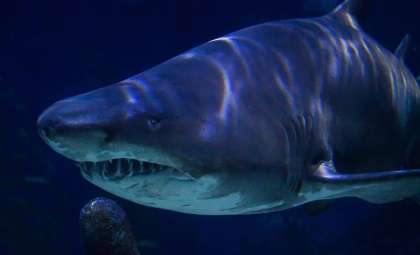
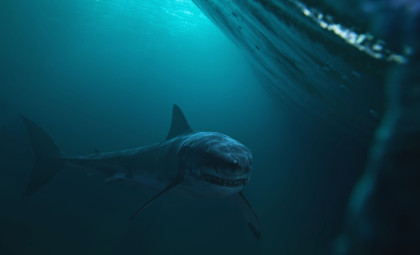
Vertebrae fossils from the colossal Otodus megalodon, once presumed destroyed in 1989, have been rediscovered within a Danish museum’s archives. These 11-million-year-old bones reinforce the idea that this prehistoric shark might have reached over 24 meters (79 feet) long, with newborns already measuring about 3.6 meters (12 feet).
Since shark skeletons mostly consist of cartilage, vertebra fossils are quite rare and crucial for determining the overall size of the creature. Interestingly, these fossils were not uncovered through a new dig but instead had been sitting unnoticed on a museum shelf for decades.
Discovery of the Largest Megalodon Vertebrae to Date
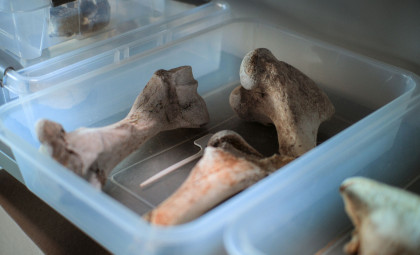
These vertebrae originated from a single O. megalodon, dated back approximately 11 million years, discovered in Denmark. Initially housed at the Geological Museum of Copenhagen—now part of the Natural History Museum of Denmark—they were later transferred to the Museum of Southern Jutland in 1989. The bones were thought lost to history until a few vertebrae were recently found after being overlooked for years.

The new research, published in Palaeontologia Electronica, confirms the fossils came from the Upper Miocene Gram Formation in Denmark. At roughly 23 centimeters (9 inches) in diameter, these represent the largest individual vertebrae attributed to O. megalodon known so far.

These measurements enabled scientists to refine previous size estimates. Findings are consistent with the idea that O. megalodon, which roamed between approximately 15 million and 3.5 million years ago, could grow beyond 24 meters (79 feet). However, researchers emphasize that the sparse fossil record restricts precise conclusions on its maximal size.
“A more complete skeletal specimen of O. megalodon, ideally with associated teeth, is required for any further discussion of the maximum possible size of the species,” stated the authors in the paper.
Remarkable Insights into Growth and Longevity
The vertebrae reveal critical details about growth patterns. Researchers estimate that newborn O. megalodon measured about 3.6 meters (12 feet) in length. Additionally, the study suggests these giants could have lived for almost a century. These insights provide valuable information about a predator known mainly from its teeth, not full skeletal remains.

Comparisons to fictional sharks are inevitable; even the famously exaggerated Jaws sharks only reached about 10.5 meters (34 feet), well below the likely maximum size suggested by this analysis.
These Danish fossils’ rarity further highlights their importance. Since shark skeletons are mostly cartilage, vertebrae like these add crucial insights into an individual’s size that teeth alone cannot provide.
When Museum Specimens Disappear Without Leaving the Building
The unusual history of these vertebrae is not an isolated case. Fossils often vanish due to war, natural disasters, accidents, or simply being misplaced. For instance, the original remains of the sail-backed dinosaur Spinosaurus were destroyed during an Allied bombing in Munich in 1944, and parts of the early dinosaur Thecodontosaurus were lost in Bristol in 1940 during an Axis attack.
In another tragedy, the SS Mount Temple sank in 1916 while transporting dinosaur fossils from Alberta to the UK, with cargo records unclear about which specimens were lost.

Sometimes, the explanation is more mundane. Museums hold massive collections: the Natural History Museum in London alone curates around 80 million artifacts, making it easy for individual items to become overlooked or misplaced over time.
- Categories:
- Science





0 comments
Sign in to Comment