

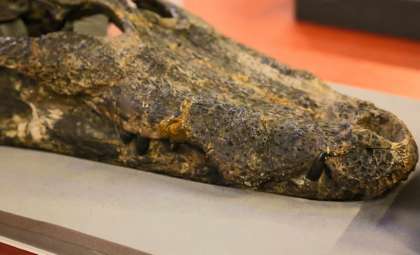
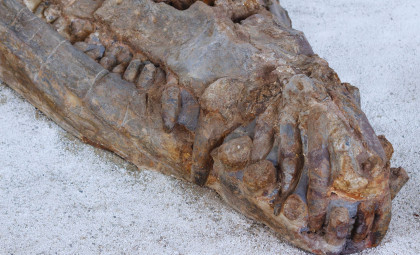
An enormous crocodilian species, comparable in size to a midsize vehicle, once dominated the wetlands across South America. Fossil evidence reveals that Purussaurus neivensis, measuring about 7 meters and tipping the scales near 1,800 kilograms, preyed on some of the continent’s largest creatures millions of years ago.
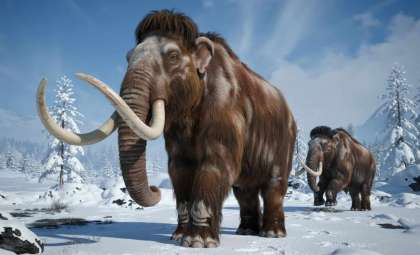
Between 11 and 16 million years ago, during the Middle Miocene epoch, extensive lakes and wetlands blanketed much of South America. This ancient environment supported a diverse community of gigantic fauna, including massive ground sloths, heavily armored glyptodonts, and a variety of extinct hoofed mammals.
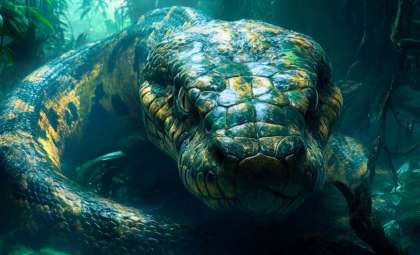
Several herbivorous species grew to immense sizes, some surpassing one ton in weight. The ecosystem also housed formidable carnivores such as saber-toothed mammals, giant anacondas, and flightless terror birds. Yet, among all these predators, Purussaurus neivensis stood unrivaled as a colossal relative of today’s caimans.

Published findings in the Journal of Vertebrate Paleontology identified this crocodilian as the apex predator of the Middle Miocene wetlands. Its massive build ranks it among the most extraordinary crocodylian species ever discovered.
Fossil Evidence Shows Predation on Giant Prey
Researchers examined fossils dug up in Colombia, which included bones from three large herbivorous mammals that shared the habitat with Purussaurus neivensis. These fossils bore puncture wounds resembling bite marks made by modern crocodilians.
The pattern of injuries suggests that this massive predator was capable of attacking large mammals instead of limiting its diet to smaller animals. Likely prey included Pericotoxodon platignathus, a rhino-sized grazer, and Granastrapotherium snorki, an elephant-sized herbivore.

Reported in Science, the study emphasizes the incredible biodiversity of the Middle Miocene. The expansive wetlands that supported gigantic herbivores also fostered the evolution of predators of extraordinary size.
Colossal Caiman Cousin Amid Immense Ancient Wildlife
The fossil specimen relates to modern caimans but far exceeds any current species in scale. Scientists estimate it was around 7 meters long and weighed close to 1,800 kilograms. Its massive frame was akin to that of a small pickup truck, giving it dominance in a habitat with abundant large prey. While numerous predators hunted on land, this crocodilian reigned supreme in waterways where animals came to drink.
The Middle Miocene wetlands created an environment where gigantism flourished. Enormous mammals, giant reptiles, and unusual birds coexisted, shaping a food web unmatched in today’s South America.

The Colombian fossil discoveries enrich our understanding of how these immense creatures shared their environment, revealing a prehistoric world where predator-prey interactions involved some of the fossil record’s largest beings.
Crocodilian Possibly Preyed on Rival Carnivores
Purussaurus neivensis posed a threat not only to gigantic plant-eaters but also to other predators in its ecosystem. A 2025 study provided evidence suggesting these giant crocodylians also fed on terror birds, large flightless predators from prehistoric South America. This insight underscores their role at the pinnacle of the food chain.

These discoveries illustrate a primeval wetland teeming with dominant creatures locked in survival contests. The remains of this huge crocodilian prove that ancient South America once sheltered freshwater predators capable of overpowering even its largest denizens.
- Categories:
- Science






0 comments
Sign in to Comment