

While investigating the underwater seagrass meadows near Arzachena, Sardinia, a diver noticed a metallic shine on the ocean floor that initiated a remarkable find. Authorities later recovered in excess of 30,000 well-preserved late Roman bronze coins, a trove described as exceptionally intact. Almost three years on, the extensive cataloging process continues amid legal disputes and lingering mysteries about the hoard's origins.
Discovered on May 25, 2023, what started as a casual sighting quickly evolved into a massive excavation involving multiple Italian cultural heritage agencies and law enforcement bodies. Given the rarity of such vast coin collections and the unusual underwater scattering of the treasure, experts speculate about an undiscovered shipwreck nearby. Throughout, disagreements over recognition and rewards for the discovery have prolonged public attention on the case.
To grasp the significance of this treasure, it's important to move beyond its size, since the exact coin count remains uncertain. The shipwreck theory remains speculative, and the diver's legal appeal for acknowledgment met with setbacks.

Remarkable Preservation of Tens of Thousands of Bronze Coins
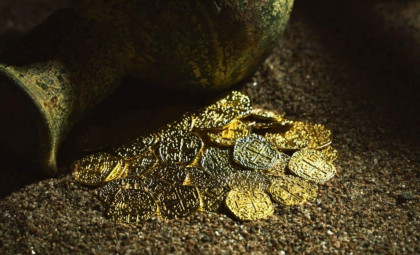
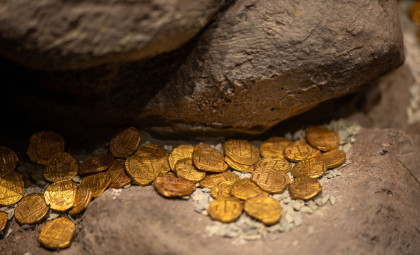
The sheer volume of coins defines the find’s importance. The Italian Ministry of Culture estimates more than 30,000 late Roman bronze folles, with potential increments reaching up to 50,000. Luigi La Rocca, the general director of archaeology, fine arts, and landscape for the region, commented in a translated release:
“The treasure found in the waters of Arzachena represents one of the most important discoveries of numismatic finds in recent years.”

These folles, a coin denomination used first by Romans and later by Byzantines, have been dated by the ministry to between 324 and 340 CE. A following analysis in Sassari in December 2023 refined this range slightly, determining from a sample of roughly 40,000 coins their origin lies between 324 and no later than 345 CE.
One consistent feature reported is the extraordinary state of preservation of the coins. Officials have highlighted the rarity and exceptional condition of these metal artifacts after spending more than 1,600 years underwater.
Hypothesis of a Shipwreck Still Unconfirmed
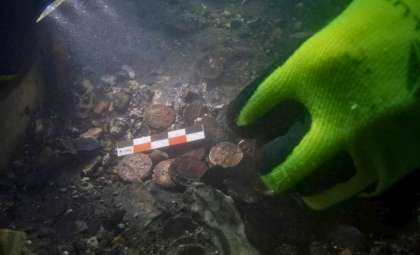
The distribution of the coins is not clustered tightly but spread over two broad areas between the shoreline and adjacent posidonia seagrass beds. Divers have also noted fragments of amphorae—the distinct two-handled Roman transport jars.
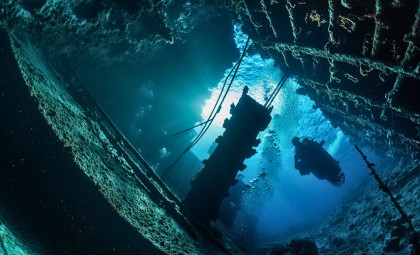
This mix of dispersed coins combined with amphora remnants fuels theories that the coins may have originated from a shipwreck, a notion included in the ministry’s initial statement but not definitively proven.

To date, there is no formal archaeological report linking the coins to a lost vessel, and no comprehensive scientific catalog has been released publicly. For now, the shipwreck explanation remains plausible but unverified.
Legal Challenges and Future Display Uncertain
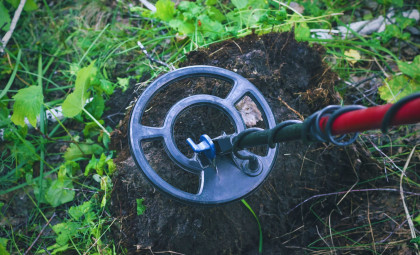
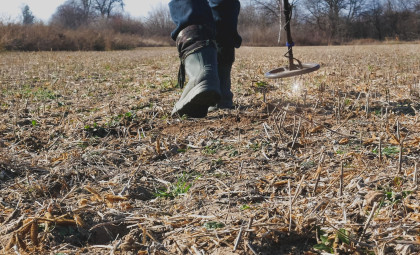
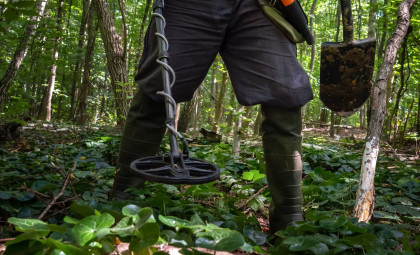
On January 5, 2026, the regional TAR Sardegna court rejected the diver’s request for a finder's reward, ruling that his use of a metal detector in a known archaeological zone did not constitute a “chance discovery”.
The ultimate fate of the coins is still unclear. As of December 2023, officials anticipated that some cleaned and documented specimens would be exhibited at Arzachena’s civic museum, yet by May 2026, this has not occurred. The treasure remains out of public view, with many details about its story still unresolved.
“(The finding) highlights the richness and importance of the archaeological heritage that our seabed, traversed by men and goods since the earliest times, still guards and preserves,” stated La Rocca.
- Categories:
- News



0 comments
Sign in to Comment