

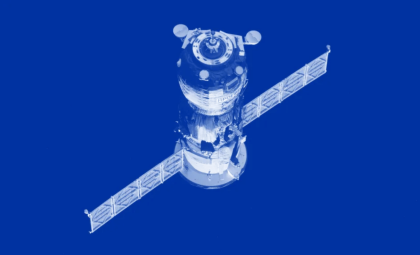
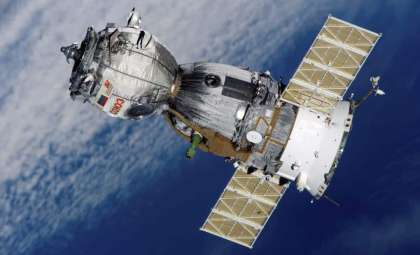
The Roscosmos Progress cargo spacecraft recently undocked from the International Space Station (ISS) following the conclusion of its designated mission, signaling another key event in the continuous supply chain that sustains the orbital research outpost. This Russian unmanned vehicle’s departure is part of the ongoing rotation of spacecraft servicing the station.
NASA, responsible for coordinating on-orbit operations alongside global partners, announced the vehicle’s release, marking the end of its cargo delivery phase and transitioning it toward its subsequent orbital activities.
NASA Verifies Progress Vehicle's Undocking
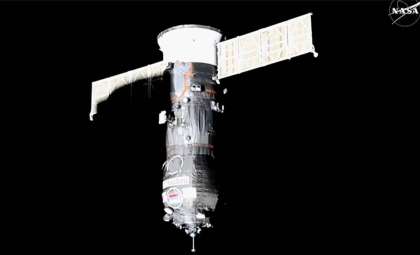
Per NASA reports, the Roscosmos Progress craft disengaged from the ISS on September 8, 2026. As a regular part of the station’s cargo resupply chain, the spacecraft delivers essential resources to support astronauts’ missions above Earth.

The Progress fleet has been integral to the ISS since its inception, ferrying provisions, scientific tools, hardware, and water necessary for station well-being. These automated vessels are designed for crewless operations, relying on advanced autonomous docking and navigation systems.
Tracking these cargo craft departures is crucial for mission control teams on Earth and the onboard crew, as each undocking facilitates the logistics needed for incoming spacecraft. Clearing port space ensures the orderly flow of orbital transport servicing the station’s needs.
Additionally, Progress vehicles aid in sustaining station operations by delivering not only cargo but also supplies crucial to daily research tasks and maintenance activities prior to leaving the station.
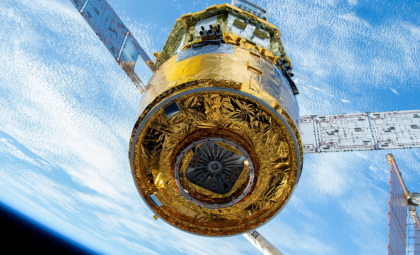
Four spaceships are parked at the space station after a trash-packed Progress 94 cargo spacecraft departed on Monday, Sept. 7, and reentered Earth's atmosphere above the South Pacific Ocean for a fiery, but safe demise. More… https://t.co/Vw9fEIzt1c pic.twitter.com/DAEAEdKfhz
— International Space Station (@Space_Station) September 8, 2026
Key Importance of Progress Vehicles for ISS Logistics
The Progress cargo craft stands as a cornerstone supply vehicle allied with the International Space Station. Engineered by Roscosmos, these spacecraft derive lineage from earlier Russian designs and have been upgraded for contemporary supply chain demands in orbit.
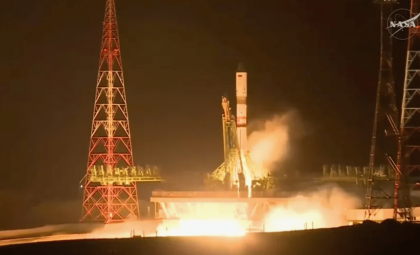
Launches typically initiate from Russia’s Baikonur Cosmodrome or other authorized sites, with the spacecraft autonomously steering toward the ISS. Precise docking maneuvers enable the vehicle to securely attach to a designated port on the station.
While docked, Progress vehicles integrate into the station’s daily routines, with crew members unloading cargo and utilizing the delivered items for scientific and operational purposes aboard the orbital facility.
Once their duties conclude, these spacecraft undock and follow carefully planned trajectories away from the station, helping maintain a safe and organized orbital environment amid ongoing spacecraft arrivals and departures.
A Collaborative Global Effort Sustaining the ISS
The recent undocking of the Roscosmos Progress cargo ship exemplifies the international teamwork essential to operating the International Space Station. The station’s functioning relies on spacecraft from multiple national space agencies, including those managed by NASA, Roscosmos, and other global partners.
Cargo mission schedules are meticulously developed well ahead of time to ensure a dependable flow of supplies to the station orbiting our planet. Each vehicle’s arrival and departure are intrinsically linked to crew activities, experiment timelines, and forthcoming missions.
The ISS, ranking among the most intricate engineered structures in existence, demands ongoing worldwide support. Supply ships like Progress act as vital links, delivering Earth-based resources to researchers and astronauts stationed hundreds of kilometers above.
The undocking on September 8 continues the long-standing rhythm of shipping and receiving that underpins the station’s operations across more than twenty years.
- Categories:
- Space



0 comments
Sign in to Comment