

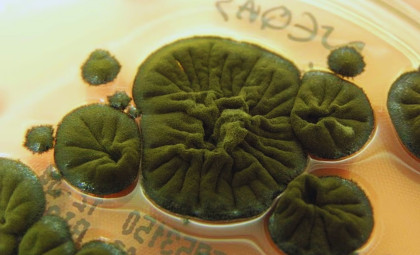
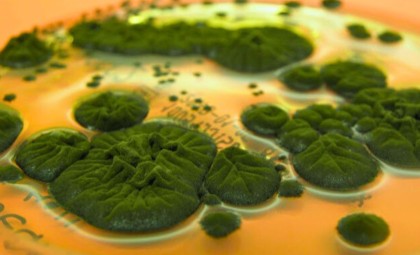
A dark-colored fungus discovered within the Chernobyl reactor exhibits an unusual interaction with ionizing radiation, a hazard known to be harmful to humans. Cladosporium sphaerospermum not only endures radiation but appears to experience improved growth in its presence. However, researchers have yet to confirm if this fungus actually converts radiation into usable energy.
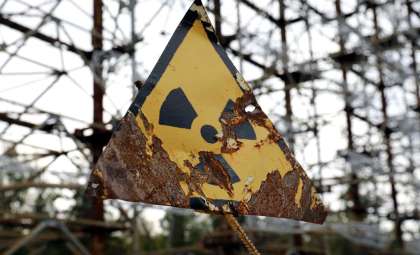
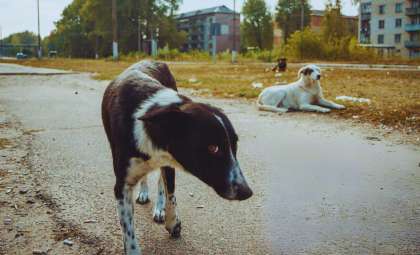
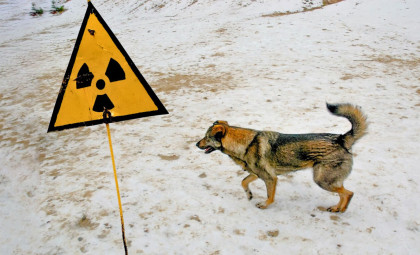
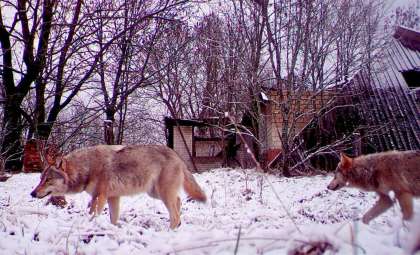
This investigation dates back to the late 1990s when scientists studied various lifeforms inhabiting the ruins of the devastated Unit Four reactor. Decades after the 1986 catastrophe, Chernobyl continues to demonstrate how some organisms persist in environments with dangerous radiation levels.
One fascinating finding came from microbiologist Nelli Zhdanova and her team at the Ukrainian National Academy of Sciences, who identified 37 different fungal species living near the reactor containment. Many fungi were heavily pigmented black, rich in melanin. Among these, C. sphaerospermum was the most prevalent and carried some of the highest radioactive contamination.

How Radiation Impacts This Fungus in a Remarkable Way
Ionizing radiation has enough energy to dislodge electrons from atoms, causing damage to cellular molecules, interfering with biochemical processes, and potentially breaking DNA. Given these harmful effects, the responses observed in C. sphaerospermum are particularly intriguing. Research conducted by Ekaterina Dadachova and Arturo Casadevall from Albert Einstein College of Medicine revealed that this fungus doesn’t just withstand radiation but actually grows more vigorously when exposed to it. The hypothesis is that melanin offers protection and might enable the fungus to utilize ionizing radiation somehow.
Further studies indicated that melanin’s properties change under radiation, leading scientists in 2008 to propose an extraordinary idea: melanin might function similarly to chlorophyll, facilitating a kind of energy conversion akin to photosynthesis. This concept was named radiosynthesis.

The most compelling question remains unanswered: whether this dark fungus truly captures and uses radiation energy or simply has an exceptional capacity to survive in such hostile conditions. To date, definitive proof of radiation harvesting is still missing.
Is Radiation the Fungus’s Energy Source?
The notion that a fungus might gain sustenance from radiation is exciting, but the scientific evidence is inconclusive. So far, no research has demonstrated carbon fixation driven by ionizing radiation or mapped a full biochemical pathway proving that C. sphaerospermum converts radiation into biological energy. As Nils Averesch from Stanford University and co-authors stated in a 2022 publication:
“Actual radiosynthesis, however, remains to be shown, let alone the reduction of carbon compounds into forms with higher energy content or fixation of inorganic carbon driven by ionizing radiation.” And other dark fungi don’t necessarily react to radiation the same way.

Other fungi such as the black yeast Wangiella dermatitidis also display increased growth when irradiated. Conversely, Cladosporium cladosporioides responds differently: exposure to gamma or ultraviolet radiation elevates its melanin production but does not promote growth.
This leaves researchers with an open question: Is C. sphaerospermum actually exploiting radiation for energy, or is it merely manifesting a robust stress response? Current data do not conclusively resolve this debate.
The Fungus in Outer Space
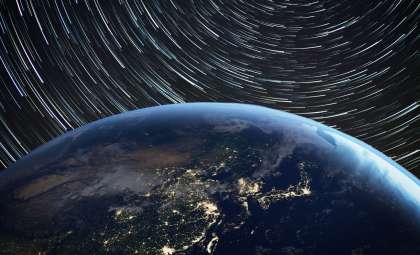
This remarkable fungus was sent beyond Earth, to the International Space Station, where scientists examined its response to cosmic radiation and its potential to serve as a biological shield against radiation.
According to a report in PLOS ONE, sensors placed below petri dishes containing C. sphaerospermum detected less radiation compared to control dishes with no fungus. This experiment aimed to evaluate whether such fungi can contribute to radiation protection measures during space exploration.

Thus, C. sphaerospermum continues to intrigue the scientific community. While it clearly grows amid radiation, experiences melanin alterations due to radiation, and can partially shield against radiation, many mysteries about its capabilities remain.
- Categories:
- Science




0 comments
Sign in to Comment