

Recent DNA analysis has uncovered the identity of the creators behind China’s enigmatic “hanging coffins”, an ancient burial custom involving wooden coffins suspended on cliffs. The study reveals these early communities were the forerunners of the modern Bo people, who still inhabit southwest China.
For many years, these cliffside burials scattered throughout southern China and parts of Southeast Asia have intrigued researchers. The wooden coffins, secured to steep rock faces or concealed within mountain caves, endured through centuries, yet the origins of those who practiced this tradition remained unknown.
Published in Nature Communications, the latest research harnessed ancient DNA to trace the lineage connected to this burial practice. The results confirm a genetic continuity linking the ancient cliffside burials to present-day communities with Bo ancestry.

This breakthrough also offers new insight into the broader patterns of migration and cultural exchange across southern China and Southeast Asia spanning thousands of years.
Uncovering Ancestral Roots Through Genetics
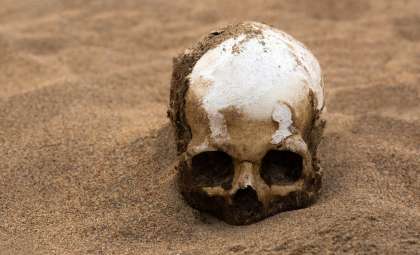
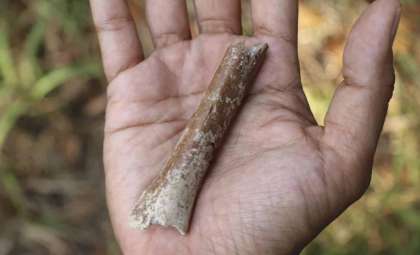
To decode the origins of these unique burials, scientists examined genetic sequences from 11 individuals discovered within four hanging coffin sites in China. Some of the remains date back more than 2,000 years, enabling a direct comparison between ancient and contemporary populations.
Additional DNA data came from four skeletons in ancient log coffins found inside a cave in northwest Thailand, the oldest being approximately 2,300 years old. These genomes were then compared against DNA from 30 living people descended from the Bo.

Findings demonstrated a genetic link between ancient individuals from the hanging coffin sites and current Bo populations. According to the authors, this robust evidence confirms the Bo as direct descendants of those who practiced cliffside interments.
These conclusions align with historical accounts and oral traditions, which have long attributed these elevated wood coffins to the Bo community’s ancestors.
Tracing Broader Ancient Connections
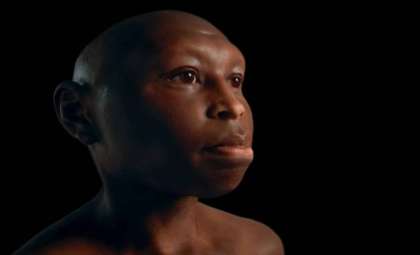
The study further reveals that the hanging coffin builders share ancestry with groups inhabiting southern China and Southeast Asia during the Neolithic era from roughly 10,000 to 2,000 B.C.
Genetic parallels were observed between the Chinese hanging coffin remains and ancient populations throughout the region. These groups likely included early Tai-Kadai-speaking peoples who once dominated extensive portions of southern China prior to the Han ethnic expansion.
Comparable burial practices appear beyond China as well. In northwestern Thailand, ancient people crafted log coffins by halving tree trunks—hollowing out one part and sealing it with the other—and placed them in caves on elevated natural or constructed platforms.

The genetic similarity between remains from China and Thailand points to a shared ancestry among these early communities, indicating the hanging coffin tradition was part of a wider cultural system across Southeast Asia.
A Tradition That Endures in History and Culture
The hanging coffin custom faded from historical records by the time of China’s Ming dynasty (1368–1644), when the practice likely ceased.
References to these burials appear in earlier texts dating back to the Yuan dynasty, describing elevated coffins as auspicious symbols believed to bring good fortune to the deceased.

Presently, several thousand individuals of Bo descent reside in southern China’s Yunnan province. While officially categorized under the Yi ethnic group, they maintain distinct linguistic and cultural identities. This new genetic evidence enriches the historical narrative, showing that the makers of the hanging coffins were not lost to time but live on through their descendants.
- Categories:
- News









0 comments
Sign in to Comment