

At 77 years old, Joanne Osmond sleeps just around four hours each night yet stays vibrant, teaches entrepreneurship, and shares a unique sleep pattern seen in her family. People like Osmond, classified as natural short sleepers, represent under one percent of the population.
Unlike those who lose sleep due to insomnia or lifestyle, natural short sleepers awaken feeling refreshed after approximately four to six hours. This pattern typically emerges early and runs in families, linked to rare genetic mutations affecting brain regulation of sleep and wake cycles.
Scientists at the University of California, San Francisco have examined roughly 100 natural short sleepers and pinpointed multiple gene variants tied to lower sleep needs. Their findings highlight a biological trait rather than a learned ability to perform despite fatigue.

Genetic Roots of Rare Short Sleep Patterns
Human geneticist Ying-Hui Fu and neurogeneticist Louis Ptáček initially explored families with unconventional sleep habits by studying individuals who naturally woke early. One family stood out as members woke early without going to bed earlier, feeling rejuvenated after about six hours.
They traced this trait to a mutation in the DEC2 gene, which influences orexin levels—a hormone promoting wakefulness. Orexin deficiency leads to narcolepsy, characterized by excessive daytime sleepiness, whereas those with the DEC2 mutation seem to produce more orexin.
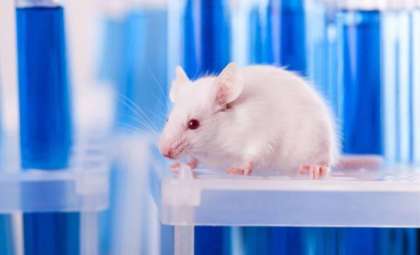
Engineered mice with the DEC2 mutation slept less than those without it. Since this discovery, Fu and colleagues have found mutations in several other genes linked to natural short sleep, each affecting diverse receptors and signaling pathways, confirming that the reduced sleep requirement involves multiple biological mechanisms.
One mutation in NPSR1, important for sleep-wake regulation, resulted in mice sleeping less without typical memory deficits related to sleep loss. Two different mutations in GRM1 also shortened sleep in mice without clear negative consequences.
Wakefulness Enhanced by ADRB1 Gene Mutation
In another family spanning three generations of natural short sleepers, researchers identified a rare mutation in ADRB1, encoding the beta-1 adrenergic receptor. This receptor interacts with hormones that influence body functions including sleep-wake cycles.
The mutated gene was most active in cells located in the dorsal pons, a brainstem region managing sleep. These neurons fired during wakefulness and rapid eye movement (REM) sleep, but were silent during non-REM stages.

Mice engineered with the ADRB1 mutation averaged nearly an hour less sleep daily compared to control mice, losing around 53 minutes of non-REM and seven minutes of REM sleep. Cells with the mutation were also easier to activate.
When these receptor-bearing cells were stimulated during non-REM sleep, mice woke up, linking the mutation to increased activity of wake-promoting neurons and explaining shorter sleep duration.
“Sleep is complex,” Ptáček commented in the NIH research news, emphasizing there is no single gene or brain area governing sleep-wake behavior.
Faster Sleep Processing May Underlie Shorter Sleep
Sleep regulation involves the circadian clock, aligning bodily functions to a near 24-hour rhythm, and sleep pressure, rising the longer one stays awake. Natural short sleepers appear to interact differently with these systems than the general population.
The key trait identified is sleep efficiency, where their brains might complete necessary restorative processes in less time. However, this efficiency can vary depending on specific genetic mutations.
“It's all about sleep efficiency,” Fu told Knowable Magazine. “Their bodies accomplish the essential tasks of sleep more quickly.”
Researchers are investigating several features contributing to efficiency, including increased slow-wave sleep, accelerated sleep stage transitions, and enhanced cerebrospinal fluid flow, which helps clear brain waste.
Animal studies also explored Alzheimer's-related proteins. Mice combining short-sleep gene mutations with those predisposed to Alzheimer’s developed fewer amyloid plaques and tau tangles, pathological markers of dementia.
Natural Short Sleep Is Distinct From Sleep Deprivation
Natural short sleepers do not artificially restrict sleep but naturally require less, rarely needing alarms, naps, caffeine, or compensation sleep on weekends.
Osmond discovered in 2011 she possessed a genetic variant linked to short sleep, with her sisters later found to share similar gene variations. “The world expects eight hours, but I don’t,” she told The New Yorker.
Other short sleepers report lifetime patterns of brief, restful nights. Lynne White, 83, carries a mutation associated in mice with shorter non-REM sleep but enhanced deep sleep brain waves. Brad Johnson, 69, from a family with both short and normal sleepers, now sleeps around four and a half hours.
Their shorter sleep durations reflect innate needs rather than efforts to extend waking time. For most adults, insufficient sleep impacts cognition and health, and stimulants like caffeine can mask tiredness but cannot replace sleep.
Natural short sleepers thus represent a unique inherited exception where rare genetic variants modify the brain's sleep control systems, reducing required sleep time.
- Categories:
- Science












0 comments
Sign in to Comment