

A limited number of brown tree snakes initiated one of the most destructive biological invasions recorded on Guam. Recent research reveals that hidden genetic variations may have enabled these snakes to overcome the challenges of inbreeding, adapt rapidly, and thrive island-wide.
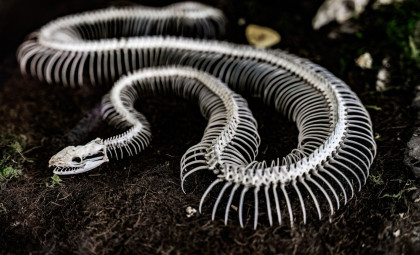
The brown tree snake (Boiga irregularis), native to Australia and regions of the South Pacific, presumably reached Guam after World War II, likely concealed aboard military transport planes.
After their introduction, brown tree snakes drastically altered Guam’s ecosystem. They caused the extinction of numerous native bird species and frequently triggered power disruptions by scaling utility poles and electrical infrastructure. In certain locations, population densities soar to approximately 30,000 snakes per square mile.

The invasion’s success has long confounded scientists. The snake population on Guam started from only a handful of individuals, which typically causes genetic bottlenecks that reduce diversity and limit adaptability. A collaborative effort by the University at Buffalo and the U.S. Geological Survey (USGS) delved into the genetic makeup of these snakes to uncover the reasons behind this anomaly.
Genomic Analysis Unveils Overlooked Variability
Employing advanced long-read DNA sequencing, researchers examined extensive segments of the brown tree snake genome. Published in Science Advances, the study highlights how this cutting-edge method detects large-scale genetic alterations previously undetected by conventional techniques, uncovering over 19,000 structural variants. These involve substantial DNA modifications including duplication, deletion, or relocation of genome segments.
Historically, genetic diversity research has emphasized small nucleotide changes. The enhanced sequencing approach reveals bigger rearrangements that can influence critical genomic regions. As postdoctoral researcher Levi Gray illustrated, earlier methods were akin to comparing two texts letter-by-letter while missing entire paragraphs that had moved or repeated.

These structural variants seemingly supplied the snake population with an unexpected reservoir of genetic diversity, potentially aiding their survival and expansion despite their limited initial numbers.
Adaptation Fueled by Key Genetic Traits
The analysis revealed many genetic differences concentrated in genes related to immune response and smell perception. For the brown tree snake, olfaction is essential for survival, utilized through their forked tongues to sample chemical cues from the environment, assisting in hunting and navigation.
Interestingly, the study proposed a connection between olfactory gene variants and a unique behavior seen in Guam’s snakes. While they typically prey on other snakes in their natural range, cannibalism is rare on Guam. According to Levi Gray, this enhanced olfactory ability might help the snakes discern kin from potential prey, a critical advantage in an inbred population.

Trevor Krabbenhoft, PhD, associate professor at the University at Buffalo’s Department of Biological Sciences and lead correspondent on the study, noted that although the overall genetic diversity might not be very high, particular structural genetic differences likely contributed to the snakes’ unexpected successes.
Insights Gained from Genetically Constricted Populations
The research provides fresh perspectives on populations that have undergone significant genetic bottlenecks. The brown tree snake's expansion implies that even few founders can harbor critical genetic variation sufficient for adaptation and growth.
This knowledge also holds promise for conservation strategies. Christopher Osborne, PhD, the study’s lead author and aquatic biologist at the State University of New York Oswego, commented:
“It’s possible that endangered species may have more flexibility in their genes than we realize,”adding that: “We’re now getting a better understanding of unappreciated sources of genetic diversity that may explain how some inbred species can still respond to their environment.”

Further research is necessary to determine whether these structural variants emerged prior to the snakes’ introduction to Guam or evolved afterward. Comparisons between Guam’s brown tree snakes and those from their native habitats in Australia and the South Pacific are essential to clarify this timeline.
- Categories:
- Science





0 comments
Sign in to Comment