

Chinese astronauts aboard Shenzhou-23 have successfully collected initial samples from a groundbreaking rice growth trial conducted in orbit. This research aims to explore the feasibility of growing multiple generations of rice in space, offering new insights into how microgravity affects plant growth and genetic integrity.
Hosted on the China Space Station, the experiment seeks to complete two full rice life cycles under space conditions, delivering comprehensive data crucial for understanding sustained crop cultivation beyond Earth. Outcomes from this study may pave the way for producing fresh food on long-term missions to the Moon, Mars, and other extraterrestrial locations.
First Rice Crop Harvested During Orbital Agricultural Research
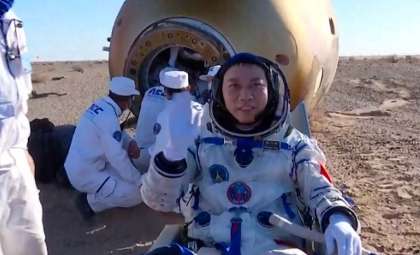
Since docking at the China Space Station over two months ago, Shenzhou-23 astronauts Zhu Yangzhu, Zhang Zhiyuan, and Lai Ka-ying, have been conducting diverse scientific tests in orbit.

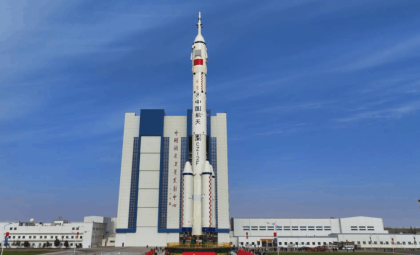
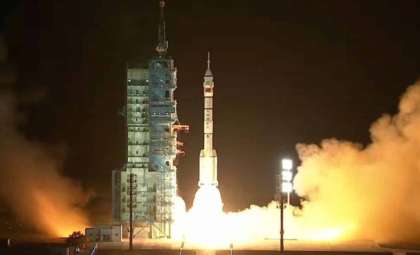
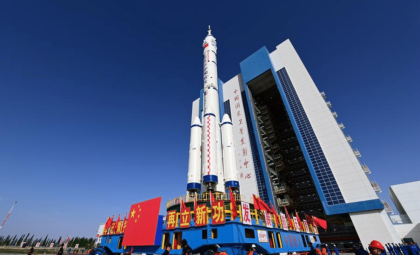
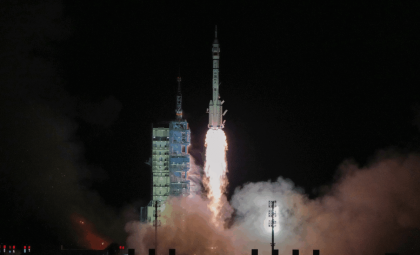
The spacecraft, launched on May 24, carried rice seeds alongside other specialized apparatus designed for cultivation experiments in microgravity. After several weeks of nurturing the plants, crew members harvested the first set of rice samples for terrestrial analysis.
This investigation centers on rice’s ability to sustain multiple generations under altered gravity, scrutinizing whether prolonged microgravity exposure influences their growth cycles and genetic makeup.
Moving beyond short-term observations, this study aims to simulate complete crop cycles in space, which is critical for future human explorers who will require dependable food production systems to lessen cargo shipments from Earth.
Multi-Generational Rice Trial Prepares for Future Space Agriculture
As reported by CGTN, this experiment expands on China’s earlier orbital plant research including a 2022 mission, where six rice seeds were cultivated aboard the China Space Station for 120 days, yielding 59 first-generation seeds brought back by the Shenzhou-14 mission.
The current phase tests two consecutive generations of rice grown entirely in orbit. Utilizing two types of japonica rice chosen for their resilience and relatively brief maturation period (three to four months), one batch relates to conventional Earth-kept seeds and the other derives from seeds produced in the 2022 space cultivation, then bred for three generations on Earth.
This comparative analysis aims to determine if the space environment induces detectable generational changes. Such findings are vital for devising crop production methods suited to missions with limited or no Earth resupply.
Significance of Space-Grown Crops for Long-Duration Missions
Securing reliable food sources in space remains critical for upcoming extended human expeditions. Ventures to Mars or beyond necessitate either large supply loads or sustainable onboard cultivation.
Research into space farming focuses on creating ecosystems where plants not only serve as nourishment but also enhance life support by absorbing carbon dioxide and generating oxygen. The Shenzhou-23 rice study provides a controlled platform to observe how staple crops behave across generations in orbit.
Insights gained from this research could inform habitat designs enabling astronauts to independently sustain crop growth for months or even years, reducing reliance on Earth-supplied provisions.
Broader Scientific Missions of the Shenzhou-23 Team
The rice cultivation study is one component of a broader research agenda underway by the Shenzhou-23 astronauts. They have also pursued biomedical experiments examining microgravity’s impact on human physiology during prolonged spaceflight.
By utilizing ultrasound devices, the crew monitored various arteries, including the carotid, radial, and dorsalis pedis, to gather data on circulatory changes in zero gravity.
Additionally, studies analyzing how lighting conditions aboard the station affect mental health and task performance have been conducted. Training in emergency protocols like fire drills continues to ensure crew preparedness.
Continuous health assessments cover electrocardiograms, eye exams, intraocular pressure measurements, retinal scans, and body mass evaluations. Astronauts maintain physical fitness through routine workouts on dedicated exercise apparatus to counteract weightlessness effects.
- Categories:
- News





0 comments
Sign in to Comment