

Scientists have uncovered four previously unknown species of tiny dragon pseudoscorpions hidden within cave systems throughout South Korea, shedding new light on the country’s subterranean biodiversity. These peculiar arachnids, recognizable by their large pincers, inhabit isolated underground environments mostly untouched by human activity.
The breakthrough came from a research team at Jeonbuk National University during comprehensive surveys of subterranean ecosystems. By analyzing genetic sequences, morphological traits, and ecological data, they classified the new finds within the genus Spelaeochthonius.
While caves house numerous specially adapted creatures thriving without sunlight, many of these habitats remain largely unexplored. According to a PLOS One publication, only five pseudoscorpion species were previously recorded in South Korea’s caves. The recent discovery raises the total known cave pseudoscorpions in the country to nine.

Miniature Predators with Impressive Claws
Despite their diminutive size of merely 1 to 3 millimeters, these creatures have strikingly large pincers resembling those of mythical dragons. Their name derives from this fierce-looking feature, which contrasts with their tiny bodies.
Unlike genuine scorpions, dragon pseudoscorpions lack a venomous tail. These arachnids, part of the same broader classification, rely on their powerful jaws to capture prey in total darkness.
As documented in the study, the four new species have been named Spelaeochthonius dugigulensis, S. geumgulensis, S. magwihalmigulensis, and S. yamigulensis. Specimens were carefully collected from their respective caves, preserved, and examined, revealing distinguishing characteristics that confirmed their status as separate species. These arachnids exhibit traits typical of cave-dwelling organisms.
Their coloration ranges from light orange to shades of brown, reflecting adaptations to the dark subterranean habitats. Each species also shows distinct genetic markers and physical differences.

The researchers noted that each newly identified species inhabits only one cave or specific karst system, tightly linking populations to their unique underground environments.
Exploring South Korea’s Hidden Underground Life
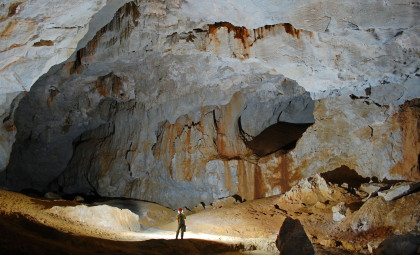
This discovery contributes to mounting evidence that South Korea’s subterranean ecosystems host far more life forms than previously documented. The country is known to have over 1,000 caves, particularly clustered in the Taebaek and Sobaek mountain ranges.
With many caves remaining insufficiently studied, scientists currently have an incomplete understanding of the region’s underground fauna. These new pseudoscorpion species highlight how isolated caves can harbor rare and endemic creatures.

To accurately identify these species, researchers employed integrative taxonomy, combining genetic sequencing, detailed morphological analyses, and habitat information.
The authors emphasize that uncovering previously unknown subterranean species deepens understanding of these specialized habitats and clarifies the diversity within the genus Spelaeochthonius.
Safeguarding Subterranean Biodiversity
Discoveries of this kind also stress the vulnerability of cave ecosystems. Species restricted to single caves face heightened risks if their habitats undergo change or degradation.
Climate change, pollution, and human disturbance threaten these delicate underground environments, caution the scientists. Establishing effective conservation strategies depends first on detailed knowledge of the species that dwell within.

The team highlights that protecting fragile subterranean ecosystems begins with comprehensive surveys to clarify their inhabitants. This study exemplifies how identifying hidden biodiversity is a vital step toward conserving underground wildlife.
“Discovering undescribed subterranean species is an important project for conserving and understanding the unveiled fauna of this dark ecosystem,” they said.
- Categories:
- Science








0 comments
Sign in to Comment