

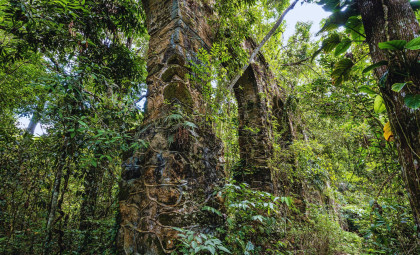
Using cutting-edge LiDAR technology, archaeologists have detected 1.5 miles of ancient Inca roadways concealed beneath thick jungle near the Mandor Wall by Machu Picchu. This newly charted path links the iconic archaeological site to a series of previously undiscovered terraces and platforms. Authorities have chosen to keep the exact location confidential to protect the area from potential looting.
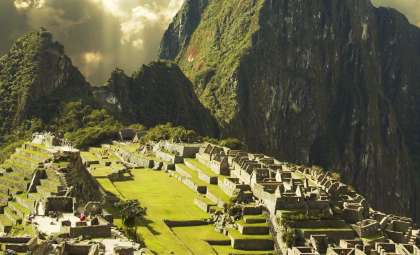
The project, spearheaded by the University of Warsaw’s Center for Andean Studies, enriches our understanding of one of the most intensely researched ancient sites worldwide. Perched almost 8,000 feet above sea level in the Peruvian Andes, Machu Picchu is heralded by UNESCO as a World Heritage Site and celebrated as a pinnacle of Inca urban design, with its stonework merging harmoniously into the surrounding mountainside.
The recent findings are particularly striking because the roads were located on the far side of the river opposite the primary city, a region not previously linked with significant Inca architectural activity. This discovery challenges previous assumptions about the extent of the sacred complex.

An Extensive Network Beyond Earlier Beliefs
Mariusz Ziółkowski, head of the Center for Andean Studies, stated in a University of Warsaw report that this new data "enhances and significantly updates previous theories on how the entire complex operated." It was long thought that Machu Picchu’s outlying features were confined largely to one riverside. Currently, more than 60 documented archaeological sites within Machu Picchu National Park are linked with an intricate road system.
“These sites served various satellite functions in relation to the main complex, known as Llagta de Machu Picchu,” according to Ziółkowski. He added that they are “situated mainly on the left bank of the river, and it seemed that this was where the Incas has concentrated their urban planning efforts.”

The recently uncovered pathways unsettle these prior ideas. Positioned on the river’s opposite bank, the discovery indicates, according to the research team, that a broader area "experienced notable cultural changes during the Inca era," suggesting a significantly larger inhabited region than earlier maps had revealed.
LiDAR Technology Unlocks Jungle Secrets
The achievement owes itself to LiDAR scanning, a remote sensing method that surveys land overgrown by dense vegetation without needing physical clearing or excavation.
This technique has recently enabled archaeologists to discover a previously lost Maya city in other parts of Latin America, demonstrating how indispensable the tool has become for locating ancient constructs invisible to traditional ground exploration.

The Warsaw-led archaeological team intends to return next year to begin excavations of the newly revealed terraces and platforms. Further fieldwork will help determine the structures’ true scale and may uncover architectural elements beyond LiDAR’s detection. Establishing an accurate chronology of these sites is also among the planned objectives once digging starts.
Zigzag Roadway Provides Clues to Machu Picchu’s Timeline
A noteworthy feature is a distinctive zigzag segment about 0.75 miles long within the new road network, indicative of Inca engineering styles. This pattern suggests that the road could date directly to when Machu Picchu thrived nearly 600 years ago.
The site’s specific location remains undisclosed, as the research team along with Peruvian officials aim to protect the area from unauthorized visitors or treasure seekers prior to thorough study and safeguards. For now, these ancient roads and their untapped historical insights remain concealed beneath the canopy.

- Categories:
- News






0 comments
Sign in to Comment